An elopement means only the couple gets married, sometimes with just a few witnesses and no official guest list. A small or intimate wedding still has a guest list, but the number of guests is limited and the atmosphere is more personal.
Once you know the difference, this guide breaks down planning an intimate elopement in Bali into simple, sequential steps. Each stage is easy to follow, covering everything from the early planning process to the wedding day itself.
Elopement vs Intimate Wedding: What’s the Difference
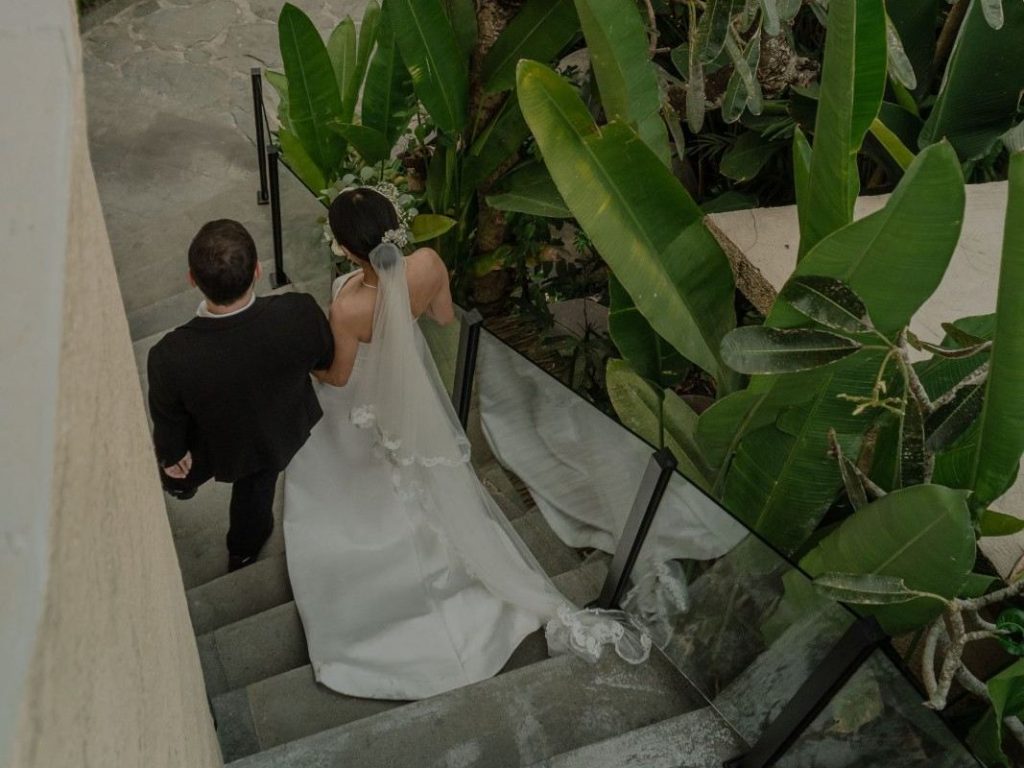
An elopement in Bali means the couple exchanges vows privately, with no guest list and no formal reception. Sometimes one or two witnesses join, such as a photographer, a celebrant, or a close friend. The focus is on the couple’s private moment, often kept spontaneous or with minimal preparation.
An intimate wedding in Bali still has an official guest list, just a small one, usually 10 to 50 people made up of immediate family and close friends. The difference from a large wedding isn’t about formality but scale, since invitations, a program, and time with guests are all still part of the event, just on a smaller scale.
Couples who mistake an elopement for a small wedding in Bali often get caught off guard when booking a venue, since space, catering, and permit requirements. This section helps you figure out which option fits your wedding vision before moving on to the next planning steps.
Legal Requirements for Getting Married in Bali
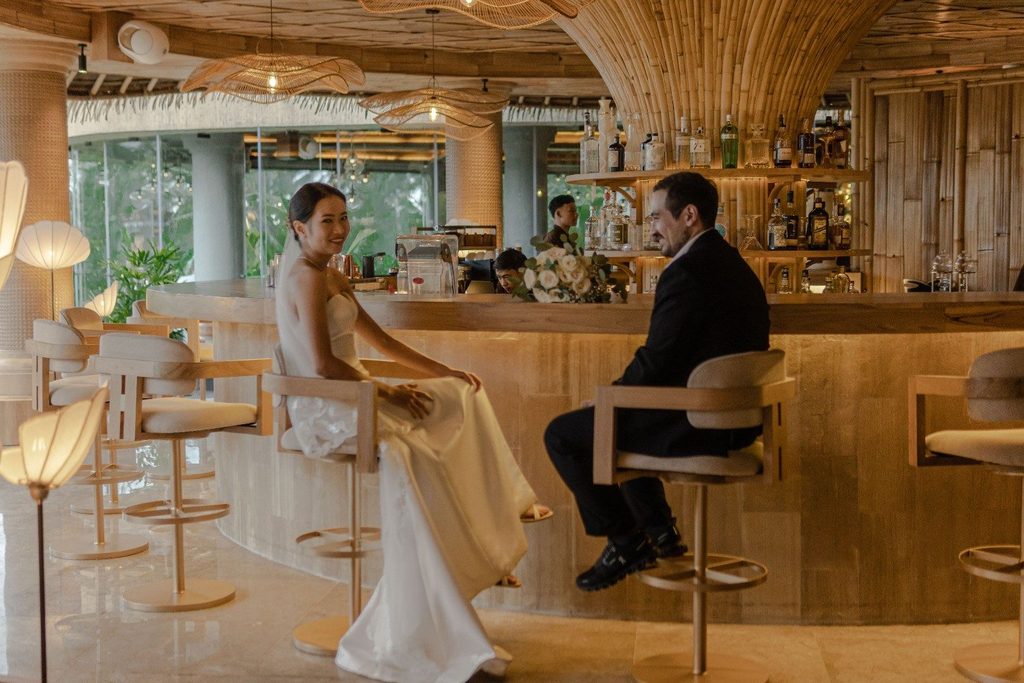
Marriages in Indonesia are governed by Law No. 1 of 1974 on Marriage (amended by Law No. 16 of 2019). A marriage is only considered valid if it meets both religious and civil requirements at the same time, since Indonesia doesn’t recognize purely civil marriages.
Both partners must follow one of the six state-recognized religions: Islam, Catholicism, Protestantism, Hinduism, Buddhism, or Confucianism, for the marriage to be legally registered.
In practice, foreign couples can marry legally, but it involves religion-based requirements and extra paperwork. Many hold a symbolic ceremony and register elsewhere while planning a private ceremony in Bali. Verify with the Civil Registry or your embassy
Marriage Legality Note for Foreign Couples
For foreign couples who still want to pursue the legal route, the process involves documents like a Certificate of No Impediment to Marriage from their embassy or consulate, translated birth certificates, and divorce or death certificates if applicable. They’ll also need passports of two witnesses over 20 years old, followed by registration at the local Civil Registry Office.
This process takes time and requires official translations, so it usually goes smoothly only with help from a wedding planner or venue experienced with foreign couples.
Choosing a Location for Your Elopement
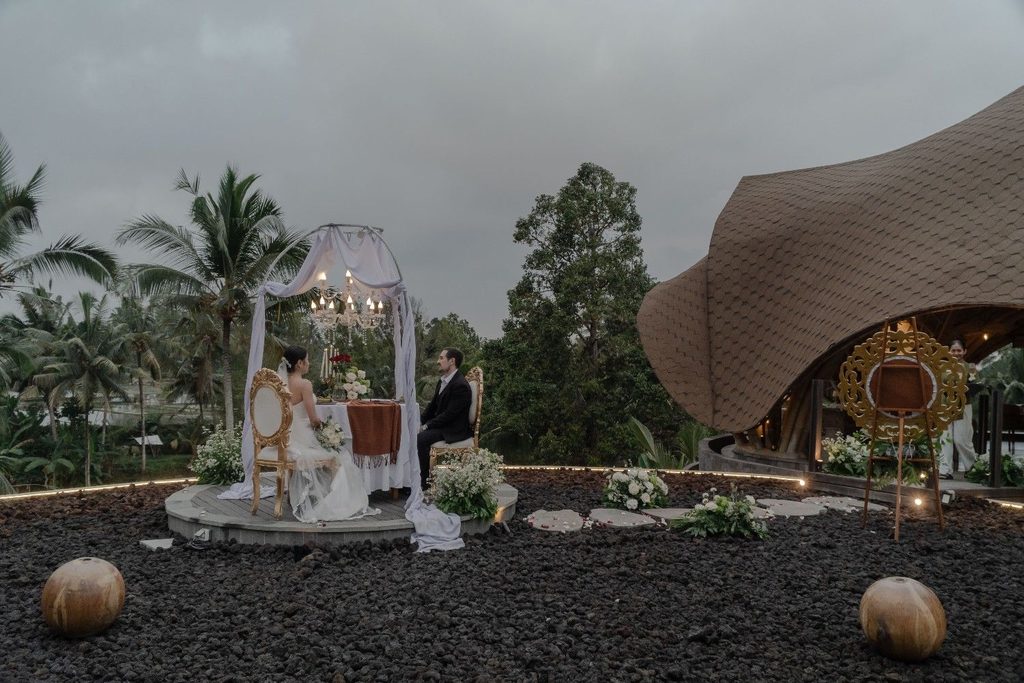
Since an elopement only involves the couple and maybe one or two witnesses, the criteria for choosing a location are different from a traditional wedding. Here are three key factors to consider:
- Privacy: Look for a wedding venue for your elopement that can be fully closed off to other guests, or choose a secluded spot away from foot traffic, so the moment stays personal and undisturbed.
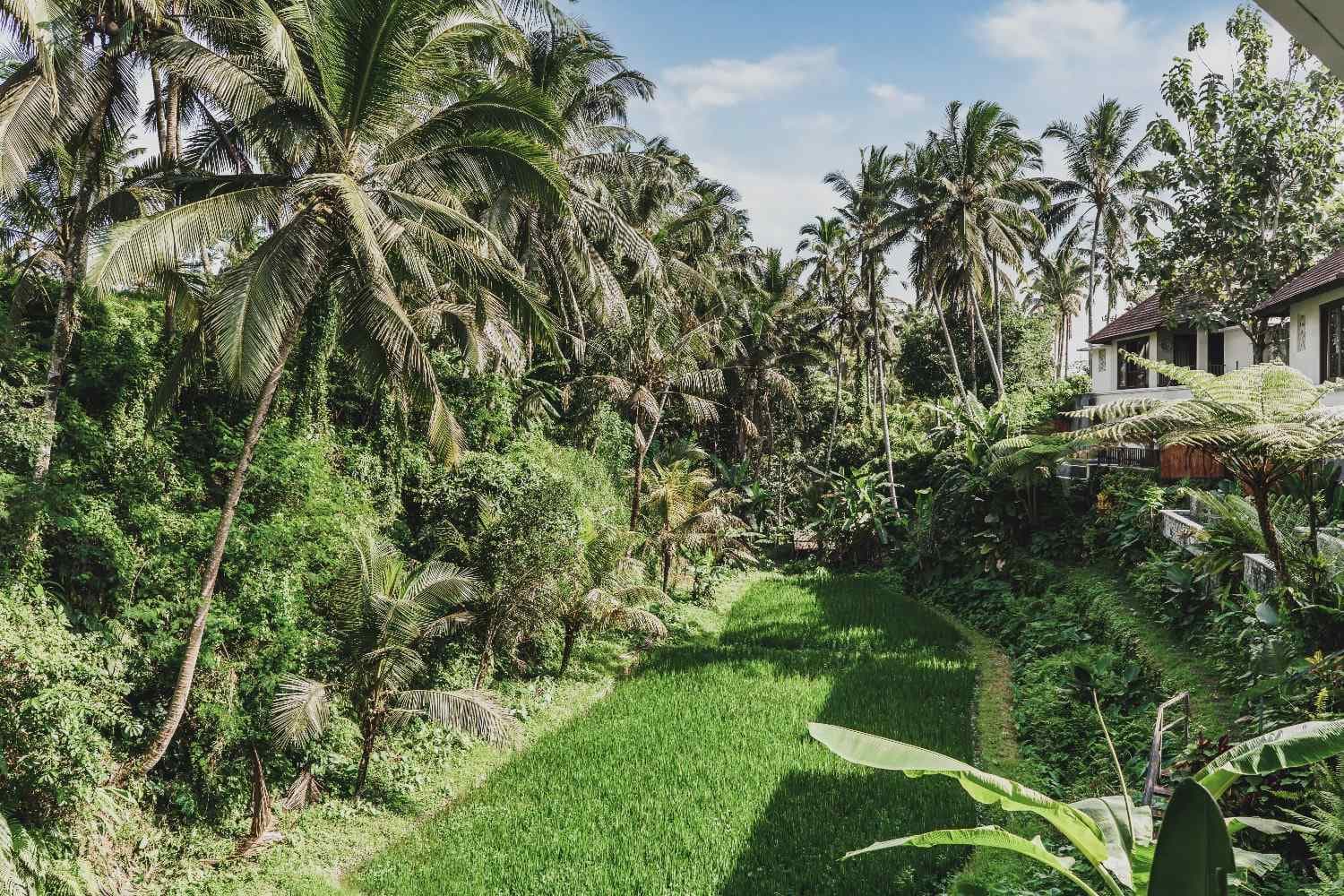
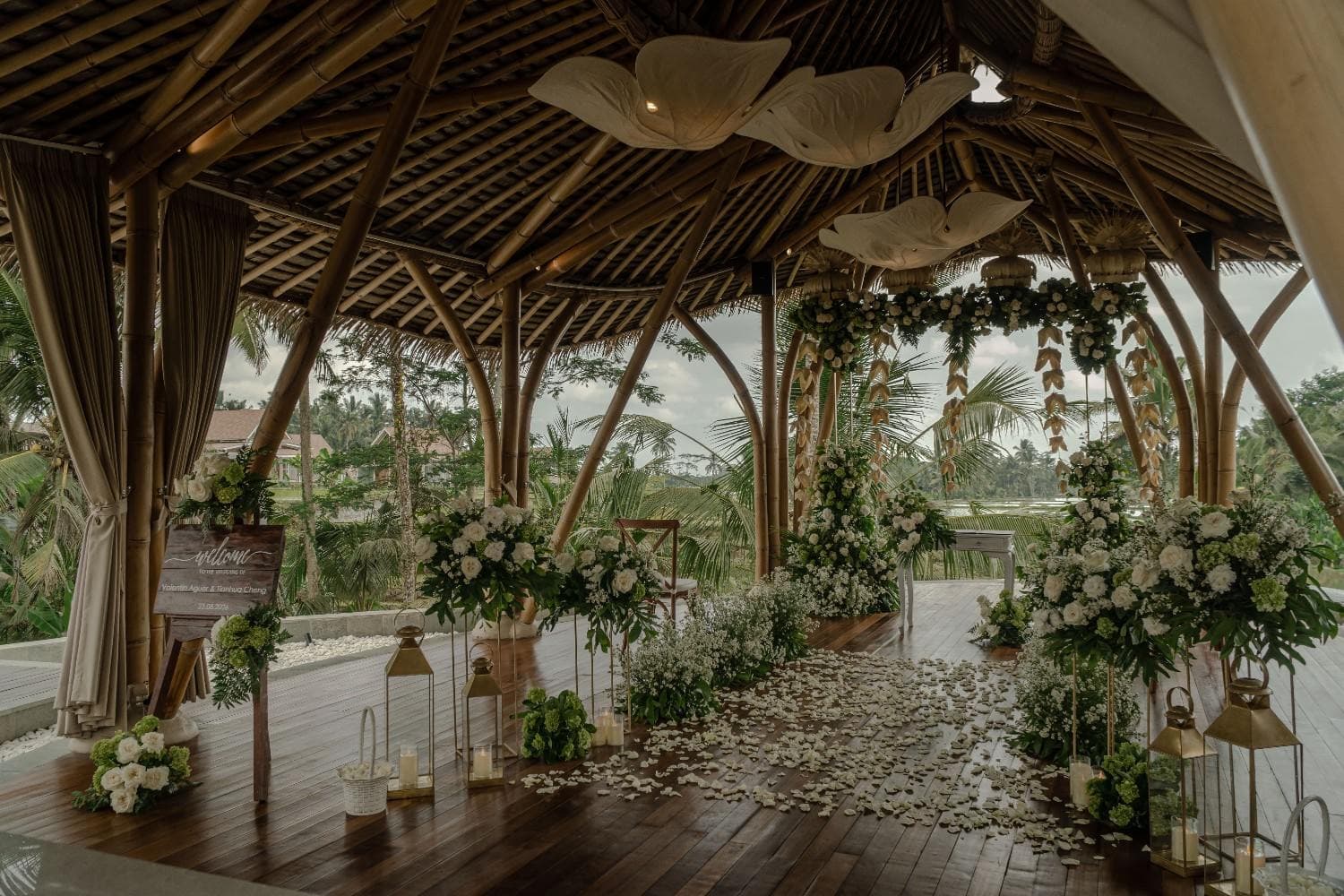
- Small capacity: There’s no need for a standard reception venue. A small rooftop, a gazebo overlooking rice fields, or a clifftop nook that fits just a few people is often more affordable and gives you more scheduling flexibility.
- Scenery: Since elopements rely heavily on photos as the main keepsake (given the minimal decor and guest list), spots like the Uluwatu cliffs, sunset beaches in Canggu or Seminyak, or jungle villas in Ubud are popular choices. The scenery speaks for itself without needing an elaborate setup.
Look for an elopement package in Bali that includes one of these settings, since the venue does most of the visual work for you.
What to Book: Celebrant, Photographer, Florist
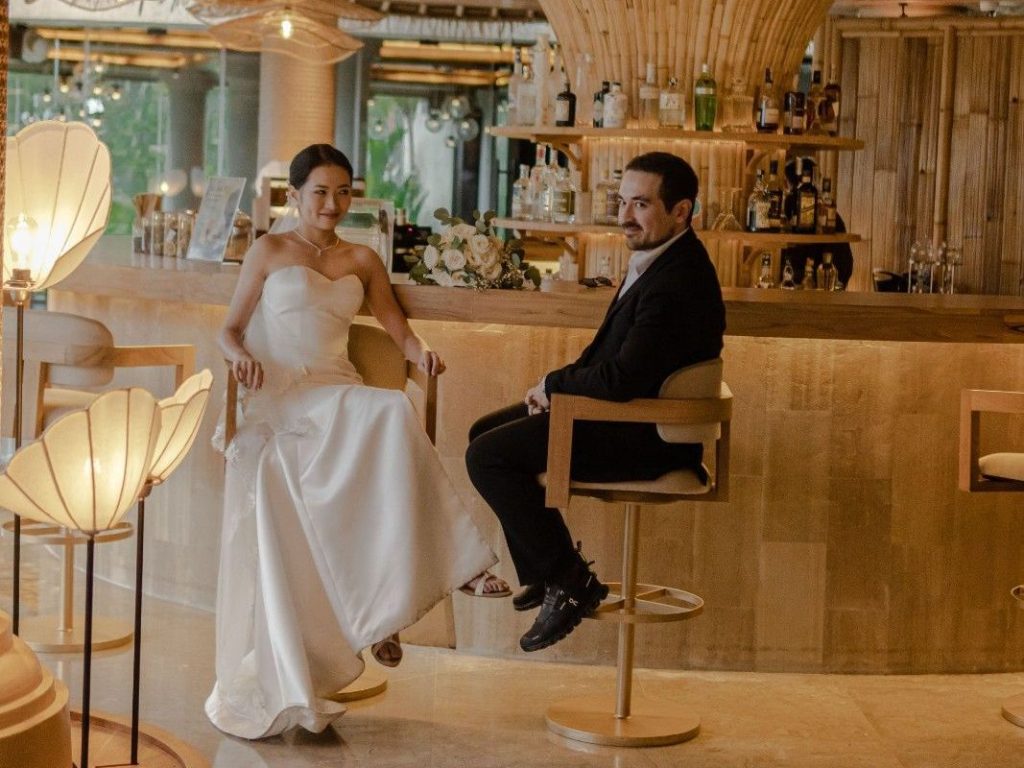
Even though an elopement is small in scale, you’ll still need these three core vendors to make sure the day runs smoothly and gets beautifully captured:
- Celebrant:
The person who leads the ceremony, whether a relaxed symbolic ceremony or a formal traditional one of a traditional wedding. For international couples, most celebrants in Bali are used to conducting symbolic ceremonies in English, so you just need to discuss the style (casual, traditional, or custom) and which language to use.
- Photographer:
Arguably the most important vendor for an elopement, since the guest list is so limited, photos become the main way to relive and share the moment. Look for elopement photographers in Bali with a portfolio of intimate weddings, not just large-scale ones, since the shooting style is different, focusing more on candid shots, location exploration, and usually a golden hour session.
- Florist:
Even with minimal decor, flowers still shape the mood of your photos, from a small bouquet and a simple arch to scattered petals at the venue. Because the scale is smaller, florists can often be more flexible with custom designs compared to large events.
It’s best to book these three vendors well ahead of time, especially if you’ve picked a popular spot like the Uluwatu clifftops or a sunset location in Canggu, since slots fill up fast during dry season (April to October). If you’re still exploring intimate wedding ideas in Bali, these vendor picks are a good place to start shaping your overall concept.
Sample Elopement Timeline for the Day
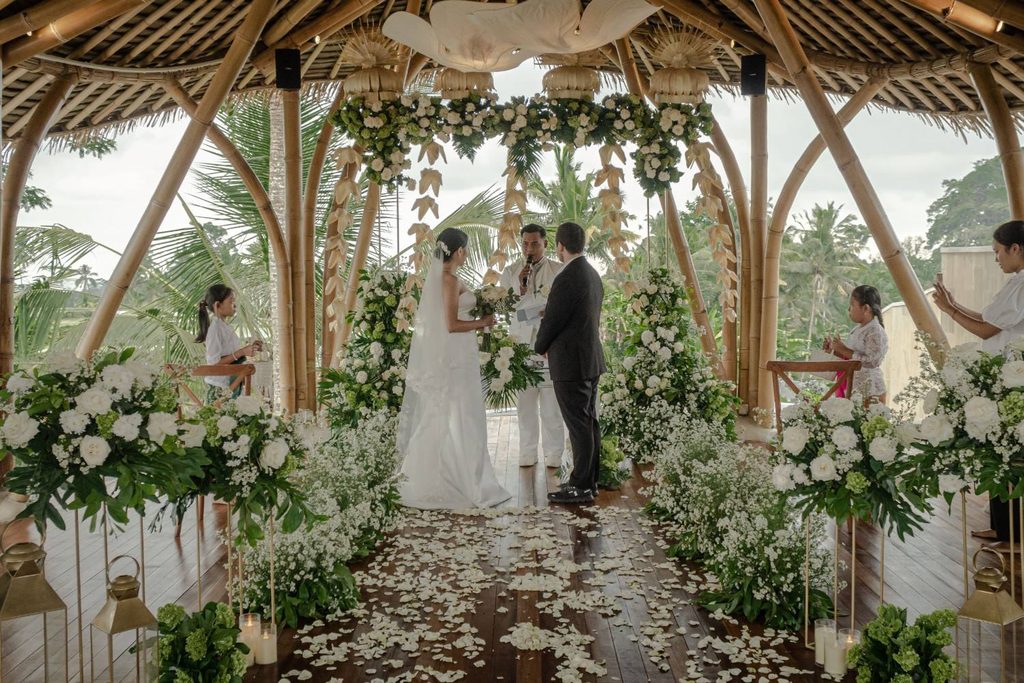
Since elopements are small in scale and need minimal logistics, the timeline is much simpler than a large wedding. Here’s a general overview:
- 08:00 – 09:30: Hair & makeup.
Preparations start in the morning, usually at a villa or hotel room, giving the couple a quiet moment before the event begins.
- 10:00 – 10:30: Getting-ready photos.
This session captures details like the dress and accessories, plus candid moments of getting ready together. It also works as a warm-up for the main shoot.
- 11:00 – 11:30: Ceremony.
The core event is short, usually 15 to 30 minutes, and led by a celebrant at the chosen location.
- 11:30 – 13:00: Couple photo session.
This takes up the most time on the schedule since photography is a main focus of an elopement in Bali. It often involves exploring different spots around the venue.
- 13:00 – 14:30: Private lunch / mini celebration.
A meal for two at the venue or a small restaurant, sometimes with a simple champagne toast.
- 16:30 – 18:00: Golden hour session.
An extra photo session in the late afternoon light, often producing favorite shots thanks to the dramatic atmosphere.
This timeline is flexible and can be shortened to half a day if the couple skips the separate golden hour session. In the end, a small wedding in Bali like this is meant to be free from the rigid scheduling that comes with large weddings.
Making Your Elopement Feel Intentional
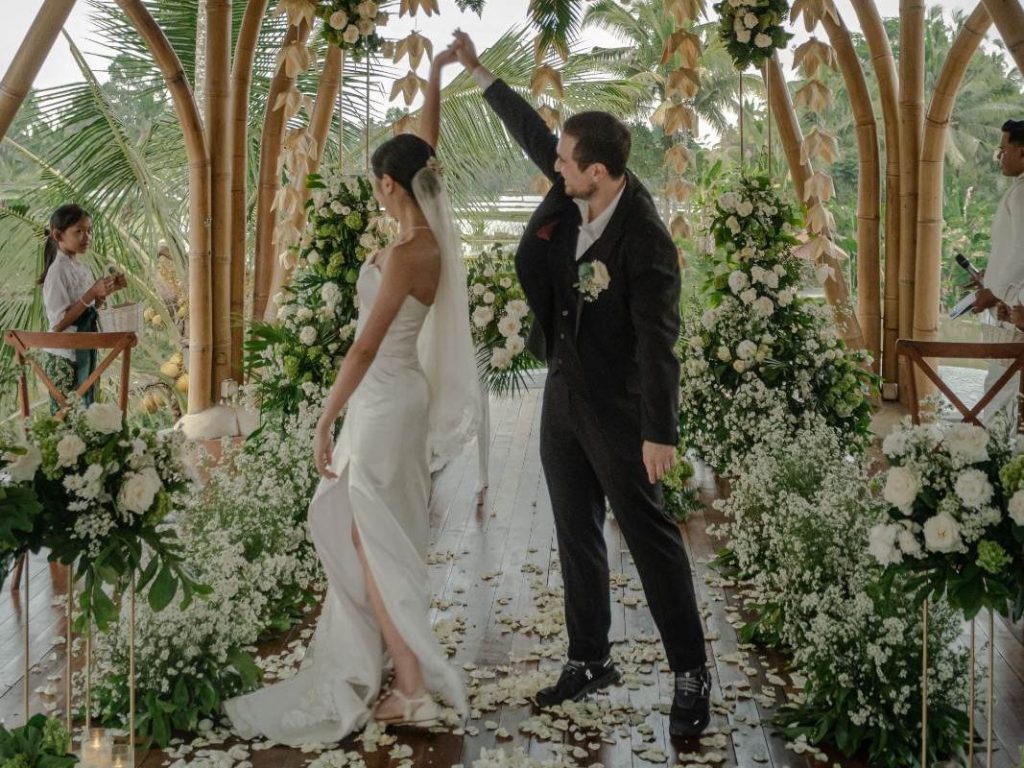
At the end of the day, planning an intimate elopement in Bali comes down to what matters most to you as a couple: a private, personal moment versus a full celebration with more guests and options. Once you’re clear on that, the rest, from location to vendors to timeline, falls into place much more easily.
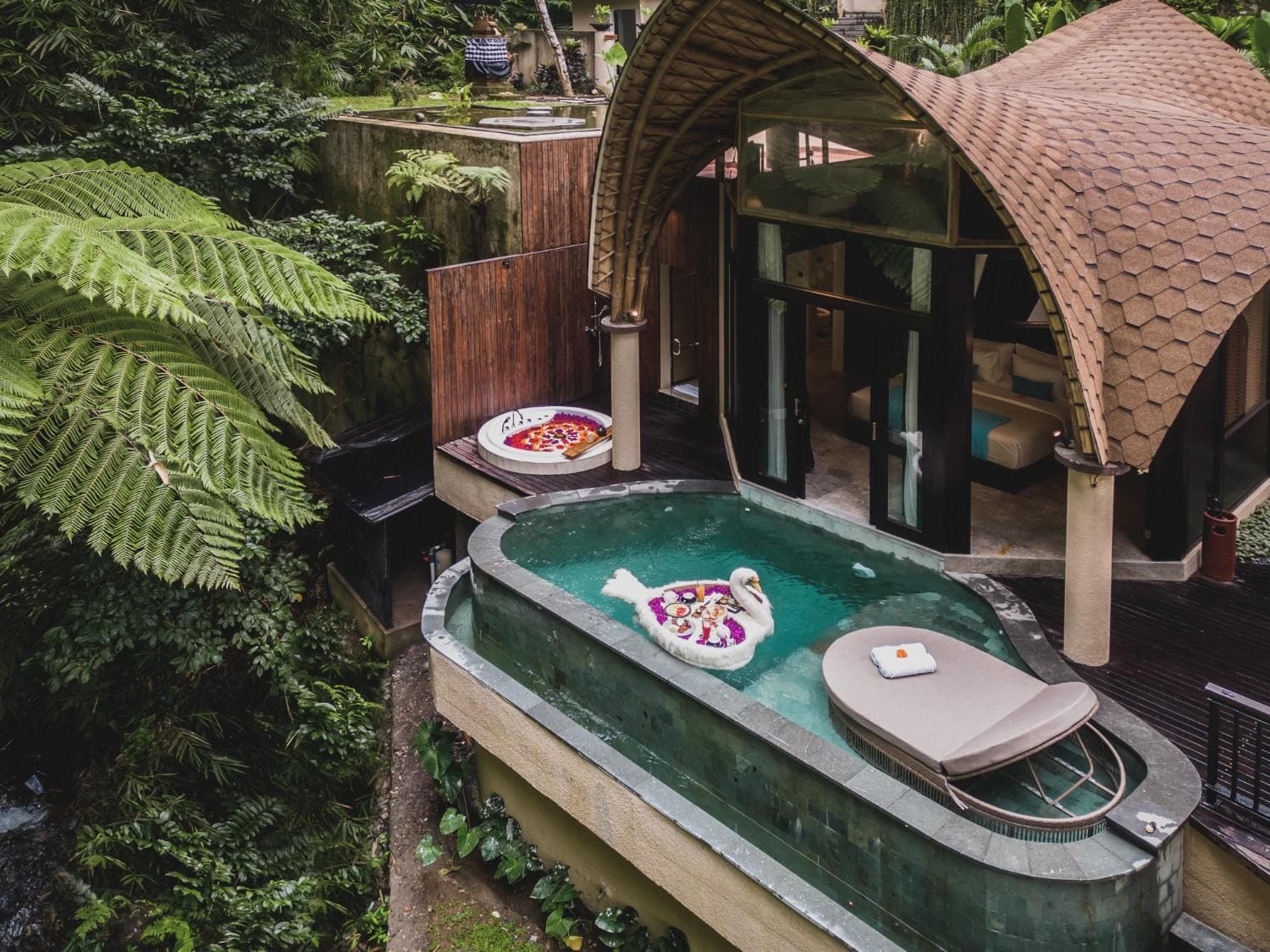
If you’re leaning toward a small, luxury setting for your ceremony, Equipoise Resort Ubud is worth a look, offering the kind of intimate, scenic backdrop that suits this style of wedding.