Bali is famous not only for its stunning landscapes but also for a way of life deeply rooted in Tri Hita Karana. This traditional Balinese philosophy teaches that true happiness comes from living in harmony with three important relationships: with God (Parahyangan), with other people (Pawongan), and with nature (Palemahan).
In this article, you’ll discover the meaning of Tri Hita Karana, where it comes from, and why its teachings remain relevant today. More than just a philosophy, Tri Hita Karana continues to shape everyday life in Bali and offers a timeless guide to living a balanced and meaningful life.
What Is Tri Hita Karana?
Have you ever wondered why Bali feels so peaceful the moment you arrive? The answer can be found in the Tri Hita Karana, a traditional way of life that has guided Balinese communities for generations. The Tri Hita Karana, meaning “three causes of wellbeing,” teaches that true happiness comes from living in balance rather than simply pursuing material success.
As you travel around the island, you’ll notice how the Tri Hita Karana philosophy of Bali is reflected in everyday life through three connected relationships:
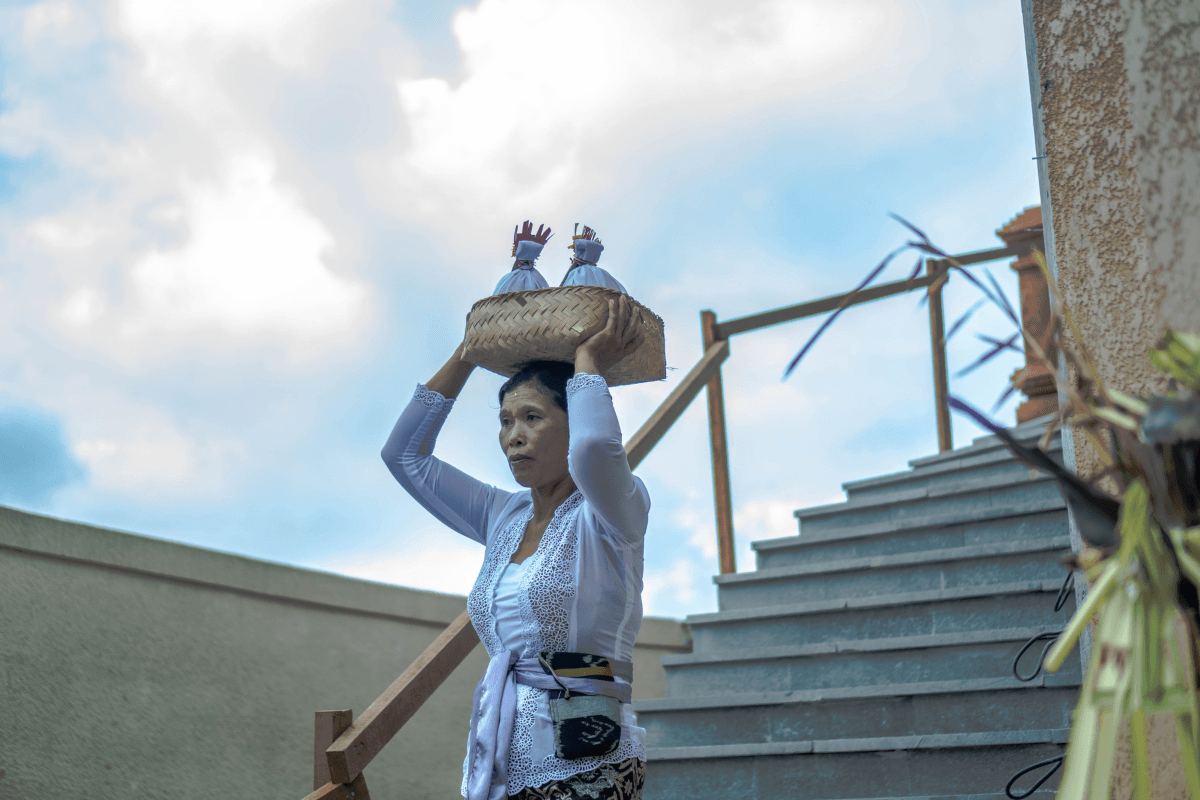
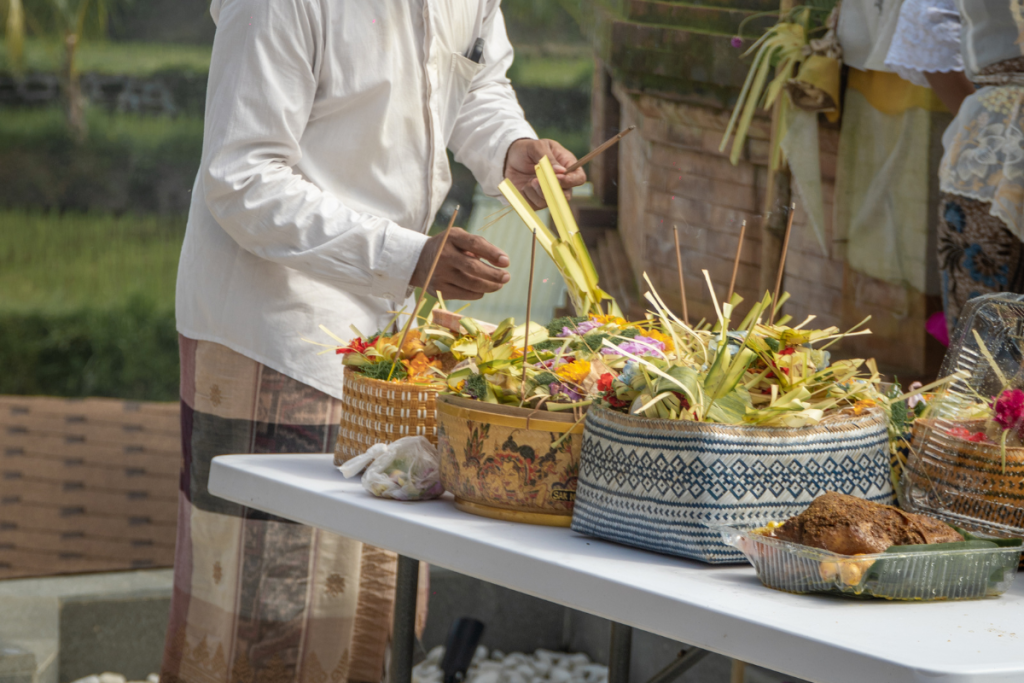
- Parahyangan – Harmony between humans and God, seen in daily prayers, temple ceremonies, and the canang sari offerings placed throughout Bali.
- Pawongan – Harmony between people, expressed in the kindness, hospitality, and strong sense of community among the Balinese.
- Palemahan – Harmony between humans and nature, encouraging respect for the environment and a more sustainable way of living.
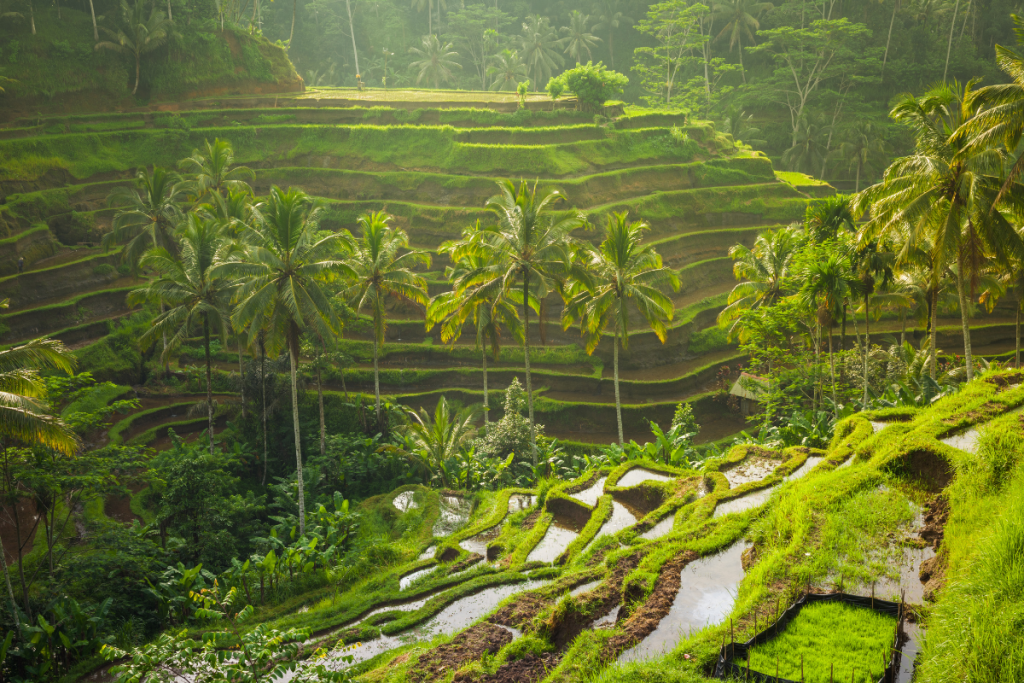
The beauty of Tri Hita Karana goes far beyond theory. One of the best examples is Bali’s traditional Subak irrigation system, which was recognized by UNESCO as a World Cultural Heritage site in 2012. Subak brings together spiritual practices (Parahyangan), cooperation among farmers (Pawongan), and responsible environmental management (Palemahan), showing how the three causes of wellbeing can work together in everyday life.
Today, this philosophy also inspires a growing movement toward eco-conscious travel, encouraging visitors to experience Bali with greater respect for its people, culture, and natural environment.
The Three Pillars of Tri Hita Karana
1. Parahyangan – Harmony with God
The first pillar of Tri Hita Karana is Parahyangan, which focuses on maintaining a harmonious relationship between humans and God. As an important part of the Balinese way of life, this principle reminds people that everything in the world is connected to a higher spiritual presence.
For the Balinese, spirituality is not limited to special occasions, it is woven into everyday life. You can see this connection throughout Bali. Temples and sacred shrines are found almost everywhere, from family homes and village centers to rice fields, offices, and tourist destinations.
These sacred spaces serve as daily reminders of gratitude, respect, and spiritual balance. In Bali’s hospitality industry, Parahyangan is often embodied through practices that blend modern comfort with local traditions. Some examples at Equipoise Resort include:
- Pelinggih – Many hotels and resorts have a pelinggih (small shrine) or sacred space near the entrance as a symbol of respect and a prayer for protection for guests and staff.
- Blessing Ceremonies – Regular purification and blessing rituals are held to maintain positive energy and harmony throughout the property.
- Yoga and Meditation Experiences – Many wellness-focused accommodations, especially a resort in Ubud, offer yoga and meditation sessions that encourage guests to slow down, reconnect with themselves, and appreciate the beauty of Bali.
This balance between spirituality and daily life is one of the reasons Bali is known for its peaceful atmosphere and strong sense of harmony.
2. Pawongan – Harmony Among People
The second pillar of Tri Hita Karana is Pawongan, which focuses on creating positive, balanced, and respectful relationships between people. As part of the Balinese philosophy of harmony, Pawongan teaches that no one lives alone.
Everyone is connected through relationships with family, neighbors, communities, and even visitors. Respecting others is seen as an important part of respecting life itself.
In daily life, this principle can be seen through Bali’s strong tradition of gotong royong (mutual cooperation) and the banjar system, a local community organization that brings people together.
The banjar is more than just a village council; it is a place where people support one another, whether preparing for ceremonies, helping families during difficult times, or celebrating important moments together.
These practices reflect the core Balinese Hinduism principles of community, compassion, and togetherness. For travelers, Pawongan is one of the reasons Bali feels so welcoming. The genuine warmth of the people creates a memorable experience that goes beyond beautiful landscapes.
Within Tri Hita Karana in hospitality, Equipoise resort embraces this value through meaningful actions such as:
- Personal and Genuine Service – Hospitality comes from sincere care, making guests feel welcomed rather than simply served.
- Supporting Local Employment – Many resorts prioritize hiring local residents, ensuring tourism contributes directly to the community’s well-being.
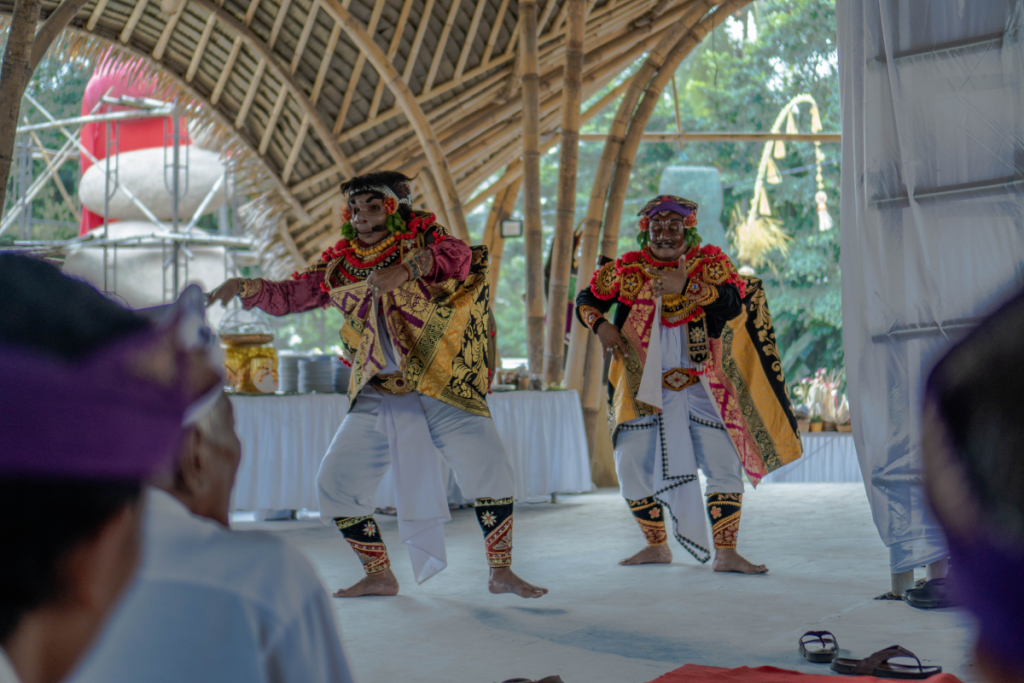
- Working with Local Communities – Resorts often collaborate with nearby villages by supporting artisans, showcasing traditional performances, and creating opportunities for guests to experience authentic Balinese culture.
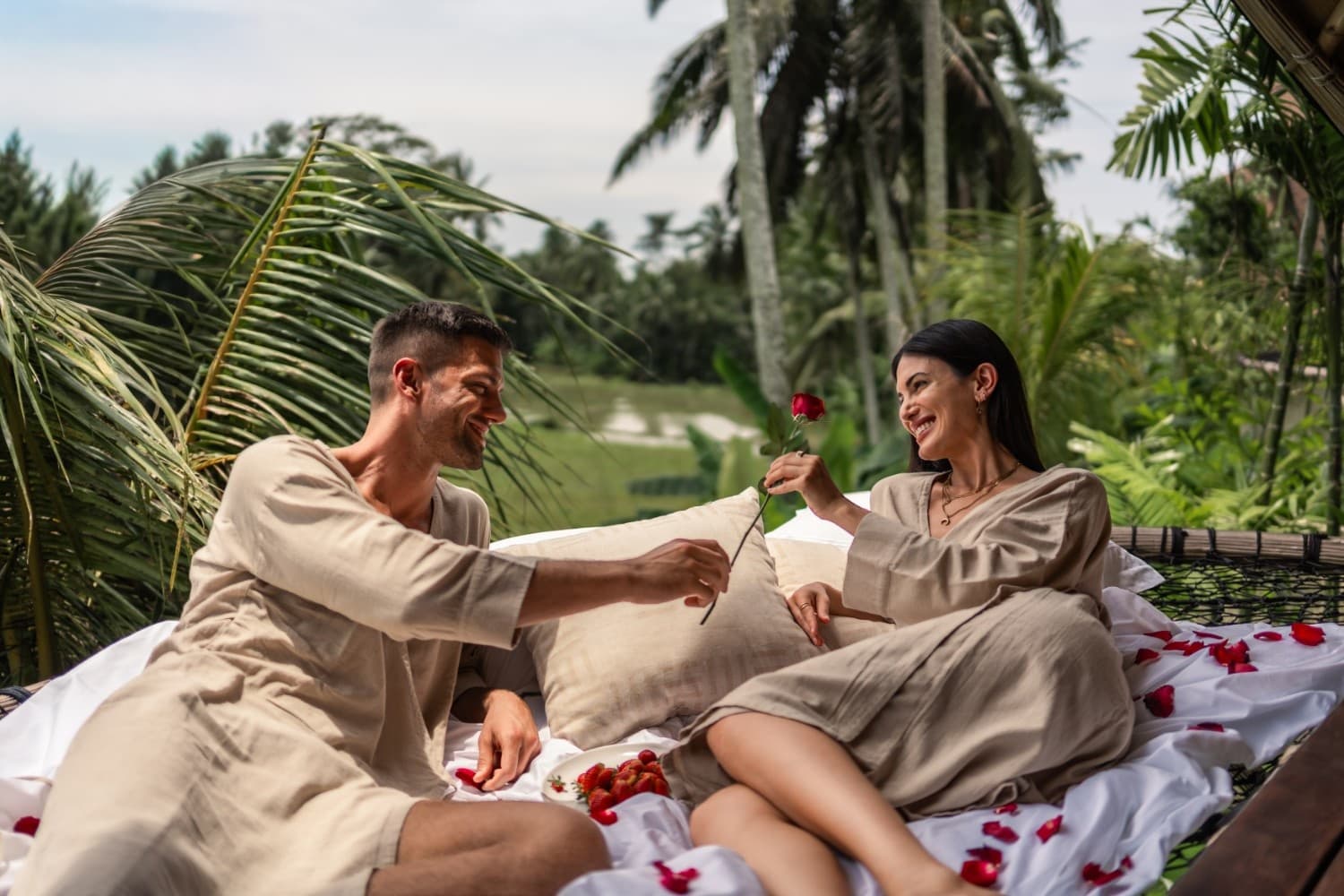
On this island, the Pawongan approach is often combined with sustainable resort design in Bali, where community empowerment is considered just as important as environmental responsibility. Whether staying at luxury resorts or romantic honeymoon villas, visitors can experience the spirit of Pawongan through meaningful connections with the people who make Bali so special.
3. Palemahan – Harmony with Nature
The third pillar of Tri Hita Karana is Palemahan, which focuses on creating a balanced relationship between humans and nature. This philosophy teaches that nature is not something to be exploited, but a shared home that should be respected and protected.
By caring for the environment, people can ensure that future generations continue to benefit from its beauty and resources. In daily life, this principle can be seen through simple actions such as keeping the environment clean and participating in traditions that honor nature.
Special celebrations like Tumpek Wariga, which honors plants, and Tumpek Uye, which honors animals, reflect the deep respect Balinese people have for all living things. These traditions are an important part of the island’s cultural identity and environmental awareness.
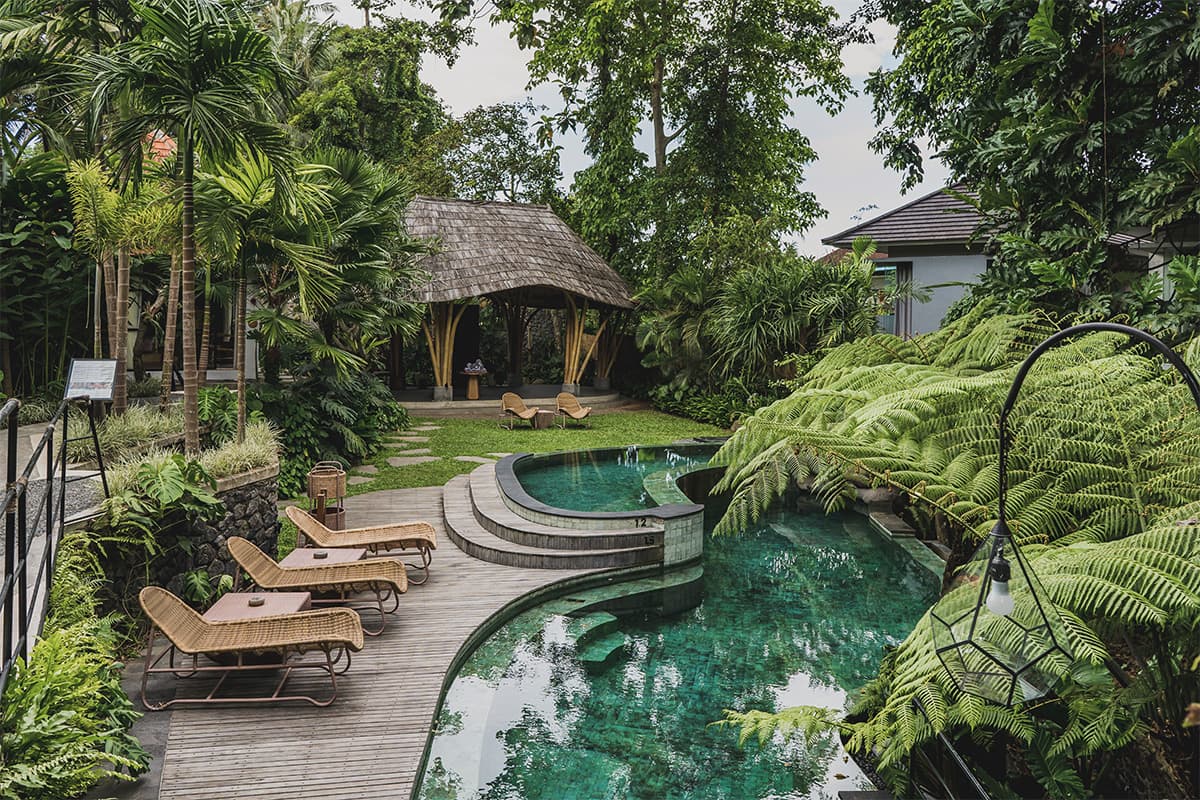
At Equipoise Resort in Bali, a new resort surrounded by peaceful rice fields in Ubud, guests can experience how the Tri Hita Karana philosophy is applied in a modern hospitality setting. The resort embraces the spirit of Palemahan through several thoughtful practices:
- Nature-Inspired Architecture – The resort uses natural materials such as stone, wood, and bamboo-inspired elements while blending seamlessly with the surrounding landscape.
- Lush Gardens and Green Spaces – Native plants and carefully maintained gardens help preserve local biodiversity while creating a calming atmosphere for guests.
- Sustainable Operations – Efforts such as reducing single-use plastics, managing waste responsibly, and conserving resources help minimize the property’s environmental impact.
These initiatives show how Equipoise Resort in Bali applies the Tri Hita Karana philosophy, creating a stay experience that respects nature while offering an eco-conscious vacation stay. Surrounded by the beauty of Ubud’s rice fields, guests can enjoy a deeper connection to Bali’s environment and the values that have shaped the island for generations.
Tri Hita Karana in Everyday Balinese Life
The Tri Hita Karana philosophy in Bali is more than just a traditional concept. It is a way of life that continues to guide daily activities across the island. As you explore Bali, you’ll notice how its values are demonstrated through village layouts, community traditions, religious practices, and even the way rice fields are managed.
Here are some examples of how Parahyangan, Pawongan, and Palemahan can be seen in everyday Balinese life:
- Subak Irrigation System
One of the most famous examples is the Subak irrigation system, which has been recognized by UNESCO as a World Cultural Heritage site. More than a water distribution network, Subak is a community-based farming system that reflects all three pillars of Tri Hita Karana.
It promotes harmony with nature through sustainable water management (Palemahan), cooperation among farmers (Pawongan), and spiritual practices through temples and ceremonies connected to agriculture (Parahyangan).
- Traditional Village Layout
Traditional Balinese villages are carefully organised around cultural and spiritual values.
Sacred areas and temples are usually located in the most respected part of the village (Parahyangan), and residential areas are placed in the center where people live and interact (Pawongan).
While public spaces, markets, and cemeteries are located in designated areas that support daily life and the surrounding environment (Palemahan). This layout helps maintain balance between spiritual, social, and natural elements.
- Daily Offerings and Rituals
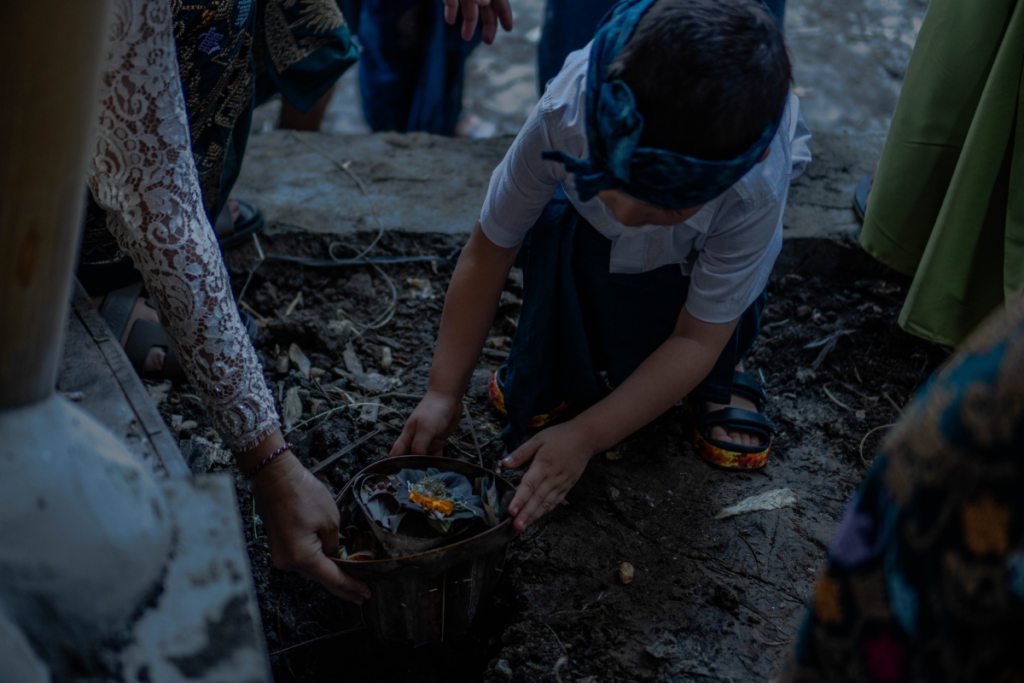
Every morning, it is common to see small offerings called canang sari placed in homes, temples, shops, and even on vehicles. These daily offerings are a simple but meaningful expression of gratitude and respect. They reflect the importance of maintaining harmony with God, other people, and nature as part of everyday life.
- Gotong Royong and Banjar
Community spirit is another important part of Balinese culture. Through the banjar system, local residents come together to discuss community matters, organize ceremonies, and support one another during celebrations or difficult times.
Combined with the tradition of gotong royong (mutual cooperation), this system strengthens social harmony and ensures that everyone feels connected and supported.
Together, these practices show how Parahyangan, Pawongan, and Palemahan are not just philosophical ideas, but living values that continue to shape daily life in Bali today.
Conclusion
Tri Hita Karana is a way of life that has shaped Bali for centuries, influencing how people connect with God, one another, and the natural world. For travelers, understanding Tri Hita Karana offers a much deeper experience than simply admiring rice fields or enjoying a spa retreat, it provides insight into the values that make Bali truly unique.
For resorts that genuinely embrace these principles, Tri Hita Karana becomes more than a cultural concept; it becomes part of their identity and character. As you choose where to stay in Bali, take a moment to ask yourself: does this resort simply showcase Bali’s beauty, or does it truly live by the spirit of Tri Hita Karana?