Balinese spa rituals have long been part of local traditions and daily life, rather than simply being treatments offered at hotels. For example, Boreh, a warming spice paste, was traditionally used by rice farmers to relieve muscle pain.
Traditional Balinese massage is also part of regular body care, while treatments based on Wariga, the Balinese calendar, connect wellness rituals with a person’s individual life path.
Understanding these traditions can help you appreciate the meaning behind each treatment. This Balinese spa ritual guide explores different rituals, their benefits, and where to experience them in Ubud.
The Boreh Ritual Origin
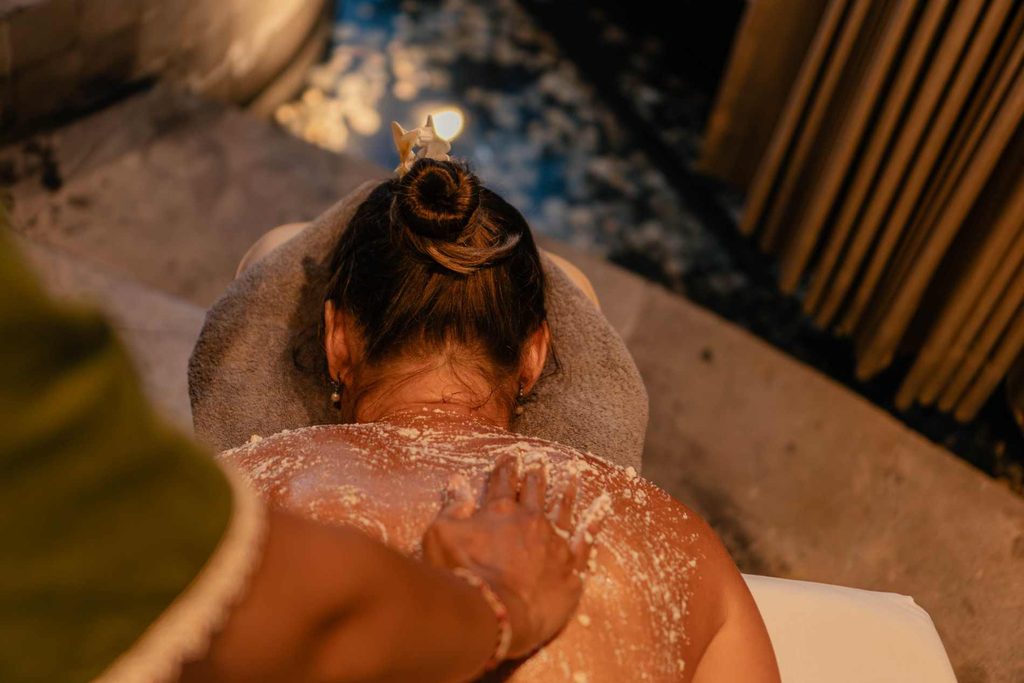
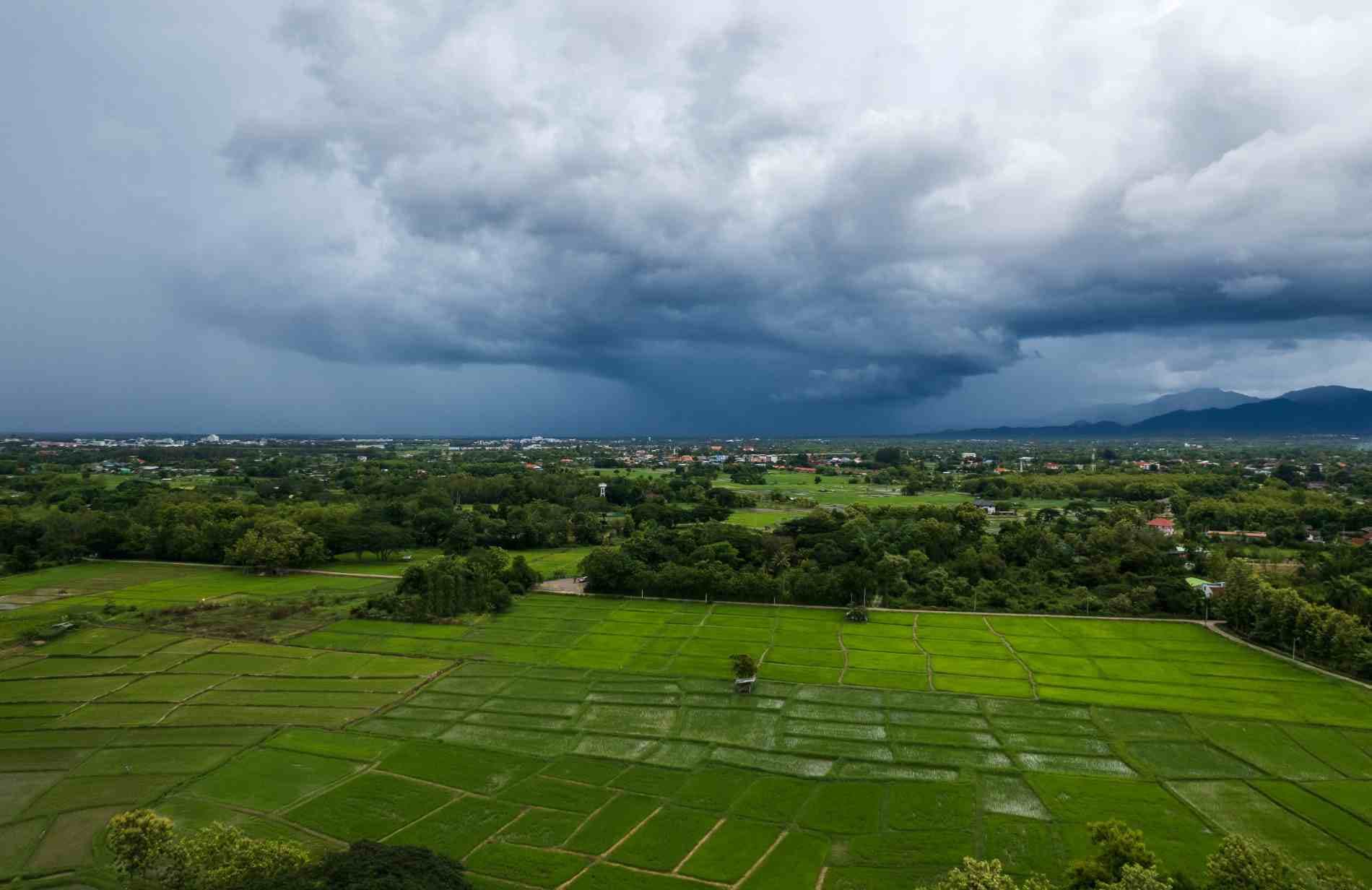
According to the Budaya Bali (Balinese Culture) website, the Boreh ritual originated from Bali’s agricultural traditions. In the past, farmers and laborers commonly used boreh after long hours of physical work in the rice fields.
After working in cold and muddy conditions, farmers would apply boreh to warm their bodies and improve blood circulation. In Balinese, boreh refers to traditional herbal remedies applied directly to the skin, rather than just a spa treatment commonly associated with Balinese massage.
This practice is also documented in traditional Balinese medical texts known as usadha. For example, Usadha Taru Pramana and Usadha Rare mention boreh kencur, a cooling herbal paste made with kencur (aromatic ginger). Meanwhile, boreh anget is a warming herbal preparation traditionally used to relieve body aches and discomfort.
The Boreh ritual remains part of Balinese culture today. The Bali Provincial Culture Office has organized boreh-making competitions to preserve traditional herbal knowledge. These efforts also support Bali Provincial Regulation No. 4 of 2020, which focuses on strengthening and preserving Balinese culture.
Traditional Balinese Massage Technique
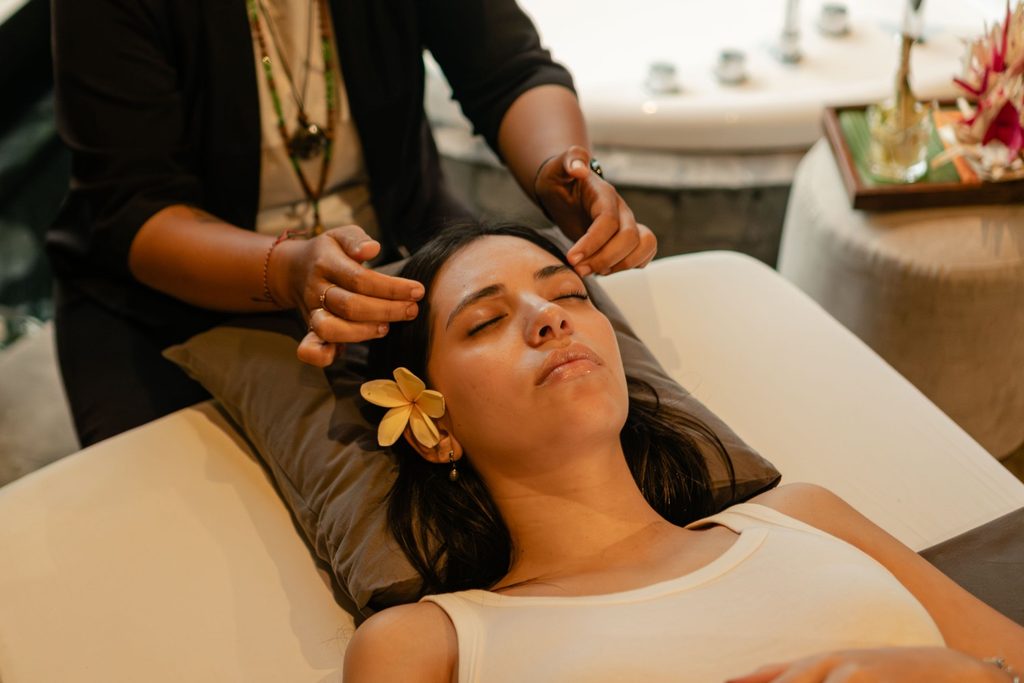
According to Good News from Indonesia, Balinese massage developed through influences from traditional healing practices in India, China, and Southeast Asia. This combination of traditional healing Bali practices has created a massage style that uses different techniques to relax the body and relieve muscle tension. Common techniques include:
- Acupressure: Applying pressure to specific points on the body, a technique believed to be influenced by Chinese healing traditions.
- Skin Rolling and Flicking: Gently rolling and flicking the skin to work on deeper layers of tissue.
- Firm and Gentle Strokes: Using long, smooth movements with different pressure levels to help relax the muscles.
- Percussion: Light tapping or patting movements applied to different areas of the body.
- Essential Oils: Using aromatic oils as an important part of the massage experience to support relaxation and body care.
These techniques make traditional Balinese massage a holistic treatment that combines oil-based massage with deep tissue techniques. Today, this approach is also commonly found in luxury wellness experiences in Bali, where traditional methods are included in modern spa treatments.
According to practitioners interviewed by CNN Indonesia, some traditional Balinese massage movements have unique names, such as “tiger’s claw,” “separating water and wind,” and “magical palm.” These techniques rely heavily on finger movements and reflect the cultural background of the Bali spa ritual. However, these names are examples of traditional practices and do not represent a standard set of techniques used throughout Bali.
Wariga-Based
According to Sandi Untara (2025), Wariga is a traditional Balinese knowledge system based on Balinese Hindu beliefs. It has been passed down through rituals, oral traditions, and lontar (palm leaf manuscripts). The system is mainly used to determine favorable and unfavorable days for different activities through calculations based on the Saka calendar, wuku, and pawukon systems.
These calculations combine the pawukon cycle with the wewaran (day cycle) system. The pawukon follows a 210 day cycle consisting of 30 wuku, with each wuku lasting seven days.
Similar to Boreh, Wariga also has strong connections to Bali’s agricultural traditions.
In Buleleng, farmers still use Wariga to choose suitable days for farming activities, such as starting to plow rice fields. Beyond religious ceremonies and agriculture, this system is also used to determine favorable days for building a house.
Wariga also has a personal aspect related to the Balinese lifepath. The book Bali Traditional Horoscope (2001) explains how the 210-day cycle can be used to identify a person’s otonan (Balinese birth anniversary) and understand their character, tendencies, and life circumstances according to traditional beliefs.
Another approach, known as wariga belog, uses urip, a numerical value also called neptu, to compare a person’s astrological value with that of the natural world. This concept has influenced Wariga Bali Wellness, where treatments may be personalized based on an individual’s life path. Today, this traditional approach can also inspire personalized experiences at a wellness retreat, connecting Balinese cultural beliefs with modern wellness practices.
Turkish Hammam
According to Go Türkiye’s article on “Traditional Turkish Hammams,” the Turkish hammam developed from a combination of Roman and Islamic bathing traditions. This influence shaped the Ottoman-style bathhouses, many of which are still operating today.
Traditional Turkish hammams are usually built with marble interiors and divided into three main areas: a warm outer room, a hot inner room, and a cool room for relaxation. The main feature is the göbek taşı, a heated marble platform located in the center of the hot room.
A traditional Turkish hammam ritual generally includes the following steps:
- Warming: Lying on the heated göbek taşı to help the body sweat and relax.
- Kese (Body Scrub): An attendant uses a rough exfoliating mitt called kese to remove dead skin cells.
- Köpük (Foam Massage): Soap foam is created using a cloth bag and applied to the body during a gentle massage.
- Rinsing and Relaxation: The body is rinsed at a marble basin, followed by a short relaxation session, often accompanied by tea.
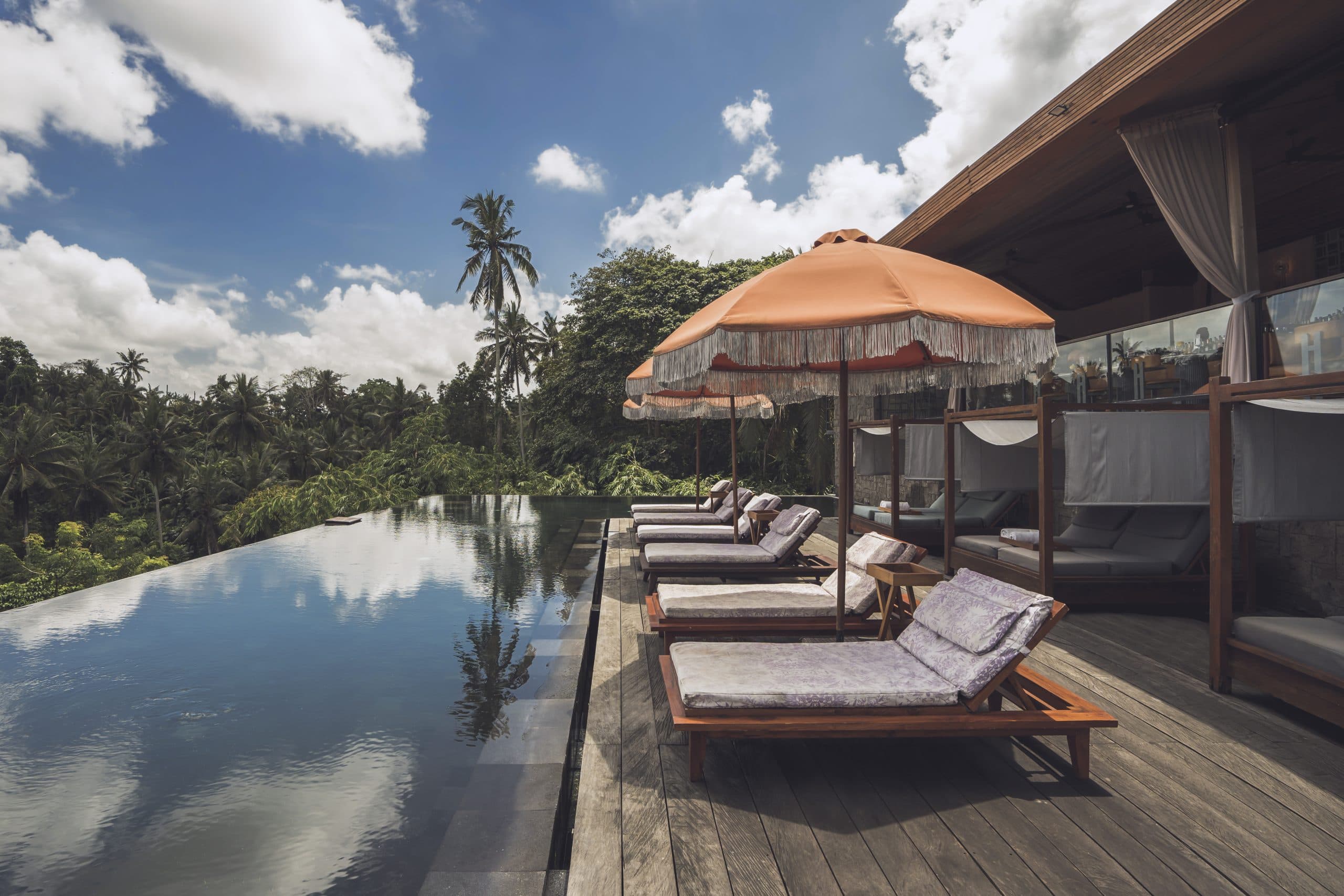
In Ubud, Hammana Spa in Kenderan, Tegallalang, combines traditional Balinese healing with design elements inspired by the Turkish hammam. The spa features marble interiors, sustainable architecture, and organic essential oils, creating an atmosphere that complements its wellness treatments.
Rather than offering only a traditional Turkish bathing ritual, Hammana Spa also provides Balinese treatments such as Boreh, a traditional herbal body wrap, and Balinese massage. This combination creates a distinctive spa experience that can complement a bespoke resort experience in Bali, bringing together Turkish-inspired design and local wellness traditions.
How to Choose a Spa Ritual for Your Trip
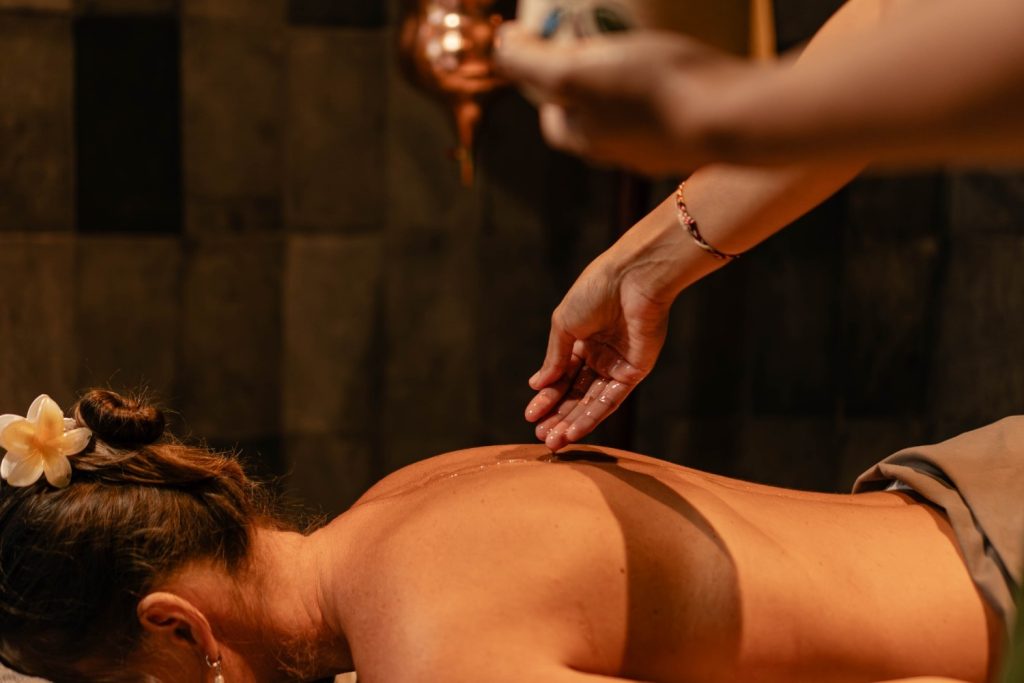
Before choosing a spa treatment, consider what kind of experience you want. Each treatment offers different benefits depending on your preferences and wellness needs.
- Traditional Balinese Massage: A good choice for first-time visitors. You can adjust the massage pressure based on your comfort, and the therapist should ask before treating sensitive areas.
- Boreh Ritual: Ideal for those who prefer a warming treatment with cultural significance. This traditional herbal wrap comes from Bali’s farming traditions and is commonly used to help relieve body aches.
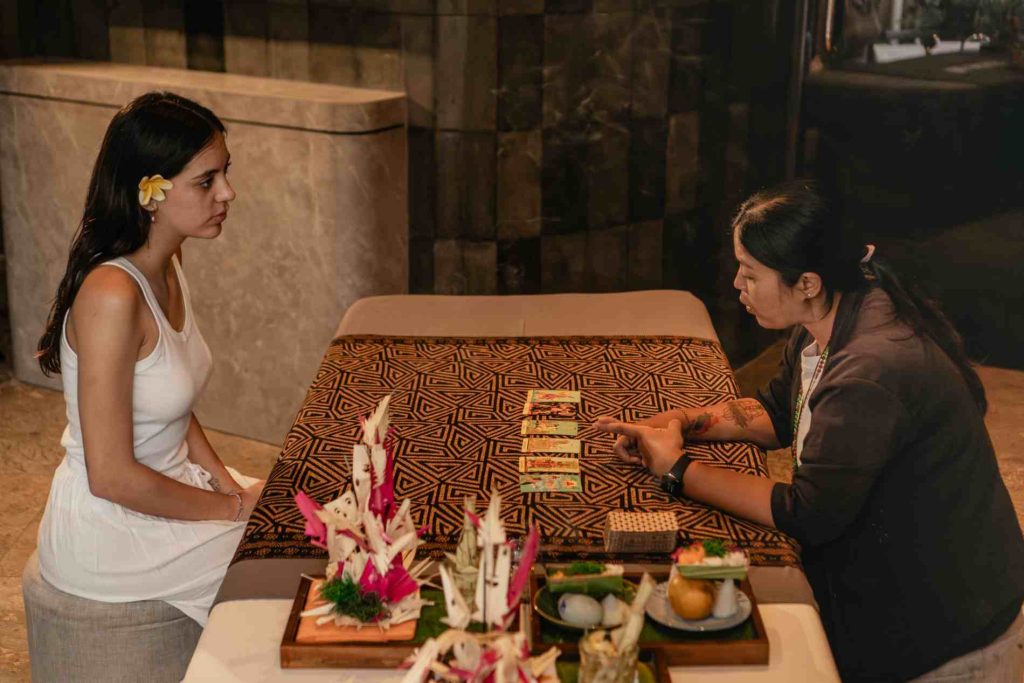
- Wariga Treatment: For a more personalized experience, consider a spa that begins with a Wariga reading, such as Hammana Spa in Ubud. This approach connects traditional Balinese beliefs with individual wellness needs.
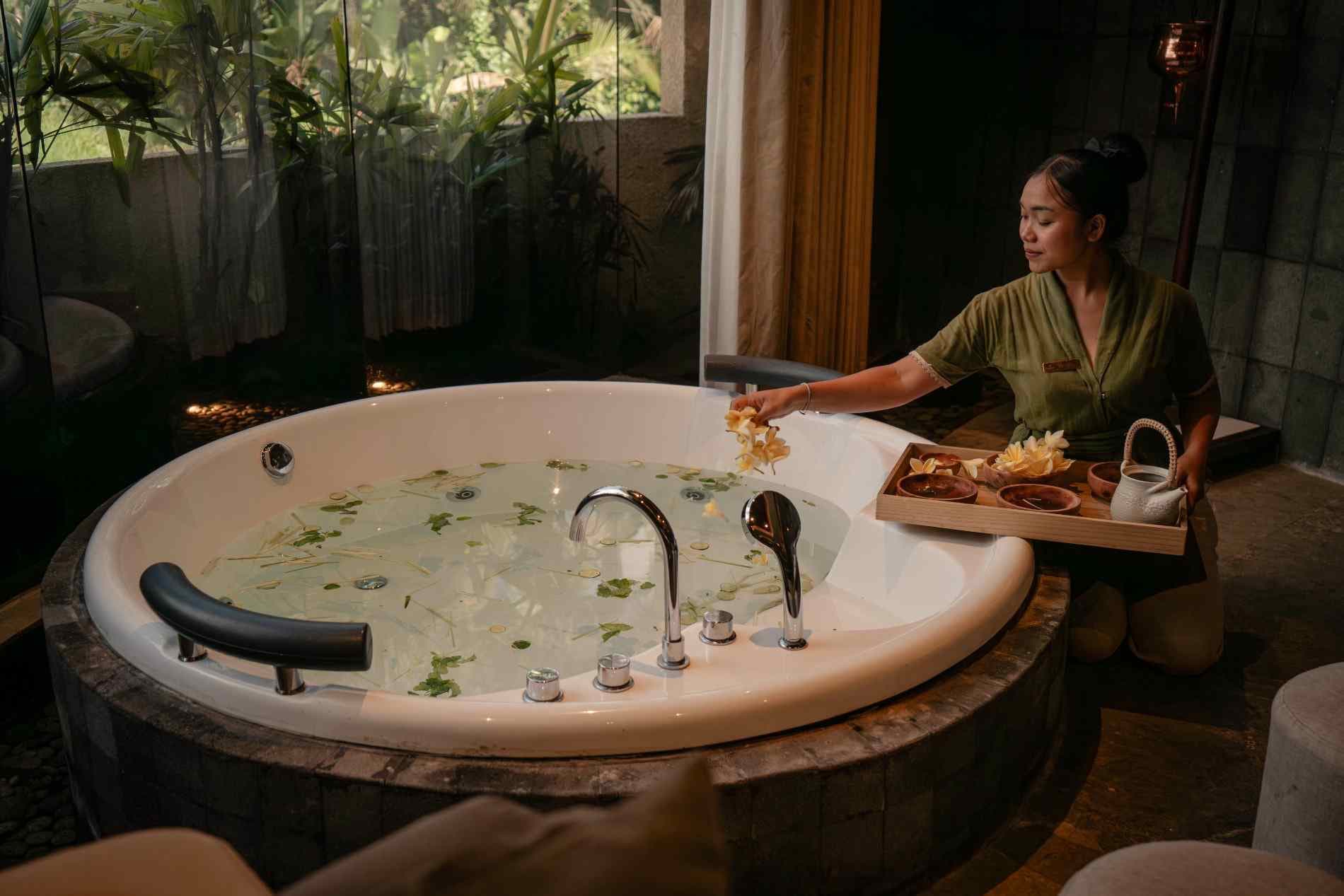
- Spa Packages: If you prefer a longer relaxation session, choose a 2- to 3-hour package that includes a body scrub, body mask, or flower bath. Some spas also offer reflexology as an additional treatment to help relax tired feet.
Before booking, inform your therapist if you are pregnant, have a fever, open wounds, or certain health conditions. For Boreh treatments, mention any skin sensitivities or spice allergies, as ingredients such as turmeric may cause irritation.
It is also recommended to book your treatment in advance and avoid heavy meals before your session. Since spa prices vary depending on the location and treatment package, always check the latest menu and rates before making a reservation.
Experience These Rituals at Hammana Spa
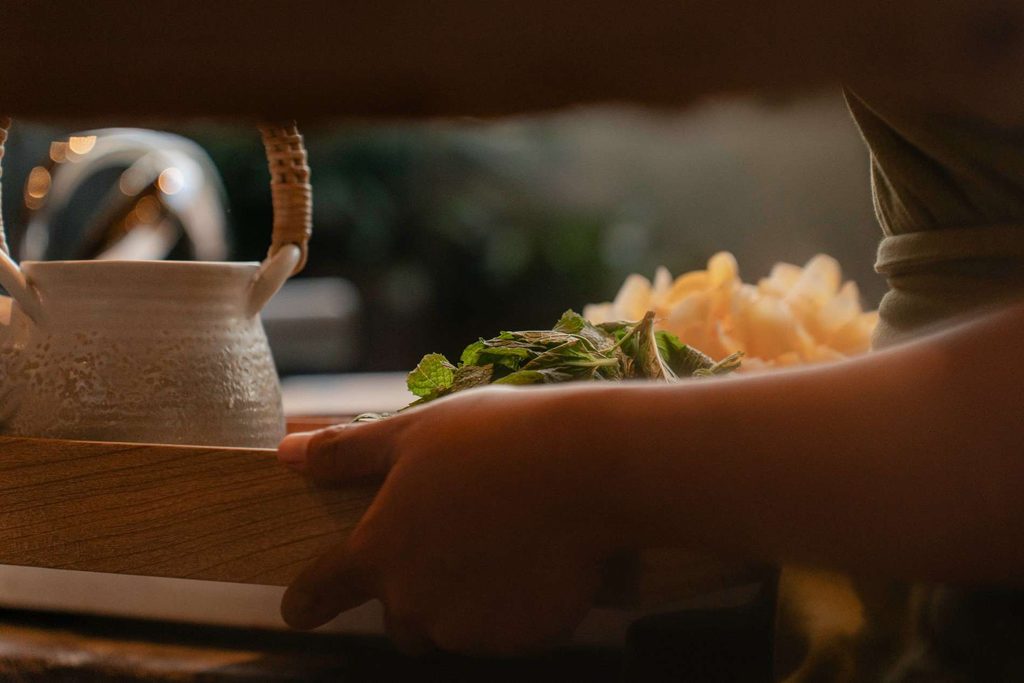
As this Balinese spa ritual guide explains, traditional spa treatments have deep roots in Bali’s culture, agricultural history, and healing practices. From the warming Boreh ritual to traditional massage and Wariga, each treatment offers a different way to experience Balinese wellness traditions.
For a more personalized wellness experience, visit Hammana Spa at Equipoise Resort Ubud, where traditional Balinese healing meets treatments inspired by your individual life path. It is an ideal place to relax while exploring the cultural meaning behind Balinese spa rituals.
FAQs
Boreh is a traditional Balinese body treatment using a warm herbal paste made from spices such as ginger, turmeric, cinnamon, and cloves. Originally used by rice farmers to warm the body and relieve muscle aches, it is now commonly offered alongside Balinese massage.
Balinese massage combines acupressure, gentle stretching, deep strokes, and aromatherapy. Compared to Swedish massage, it typically uses firmer pressure and rhythmic movements to relieve muscle tension. The pressure can be adjusted to your comfort.
Wariga is a traditional Balinese calendar system used to determine favorable days for various activities. Some spas in Ubud use Wariga readings based on a guest’s Balinese birth date (otonan) to personalize wellness treatments.
A Balinese massage usually lasts 60 to 90 minutes, while treatments combining Boreh, massage, or herbal baths take around 90 to 120 minutes. Complete spa packages with body scrubs and flower baths can last 2 to 3 hours.