An engagement ring is one of the most meaningful symbols of commitment before marriage. Unlike a wedding ring, it is traditionally given during a proposal to express the intention to marry. Adding a small surprise, such as presenting the ring during a celebratory champagne toast, can make the moment even more special and memorable.
In this article, we’ll explain the meaning and purpose of an engagement ring, how it differs from a wedding ring, and several creative proposal ideas. We’ll also share practical tips to help you plan a meaningful proposal with your partner.
What Is an Engagement Ring?
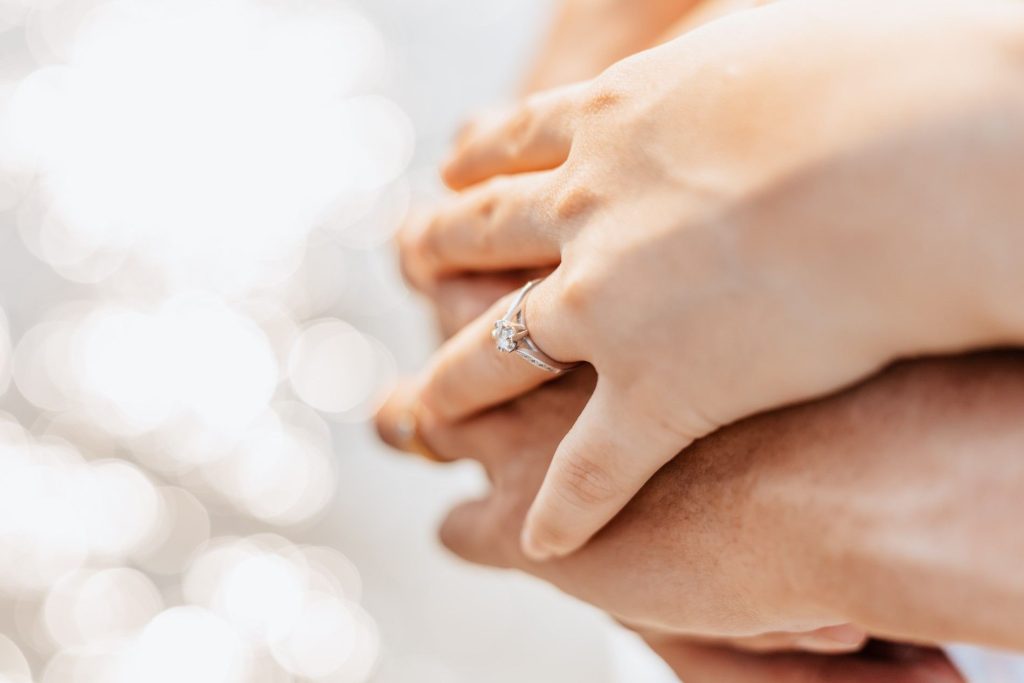
An engagement ring is a piece of jewelry given to a partner during a marriage proposal. It represents the intention to get married and serves as a symbol of commitment between two people.
The meaning of engagement ring symbolism is closely connected to love, loyalty, and long-term commitment. Its circular shape represents eternity, with no beginning or end, while gemstones such as diamonds are often associated with strength, purity, and lasting love.
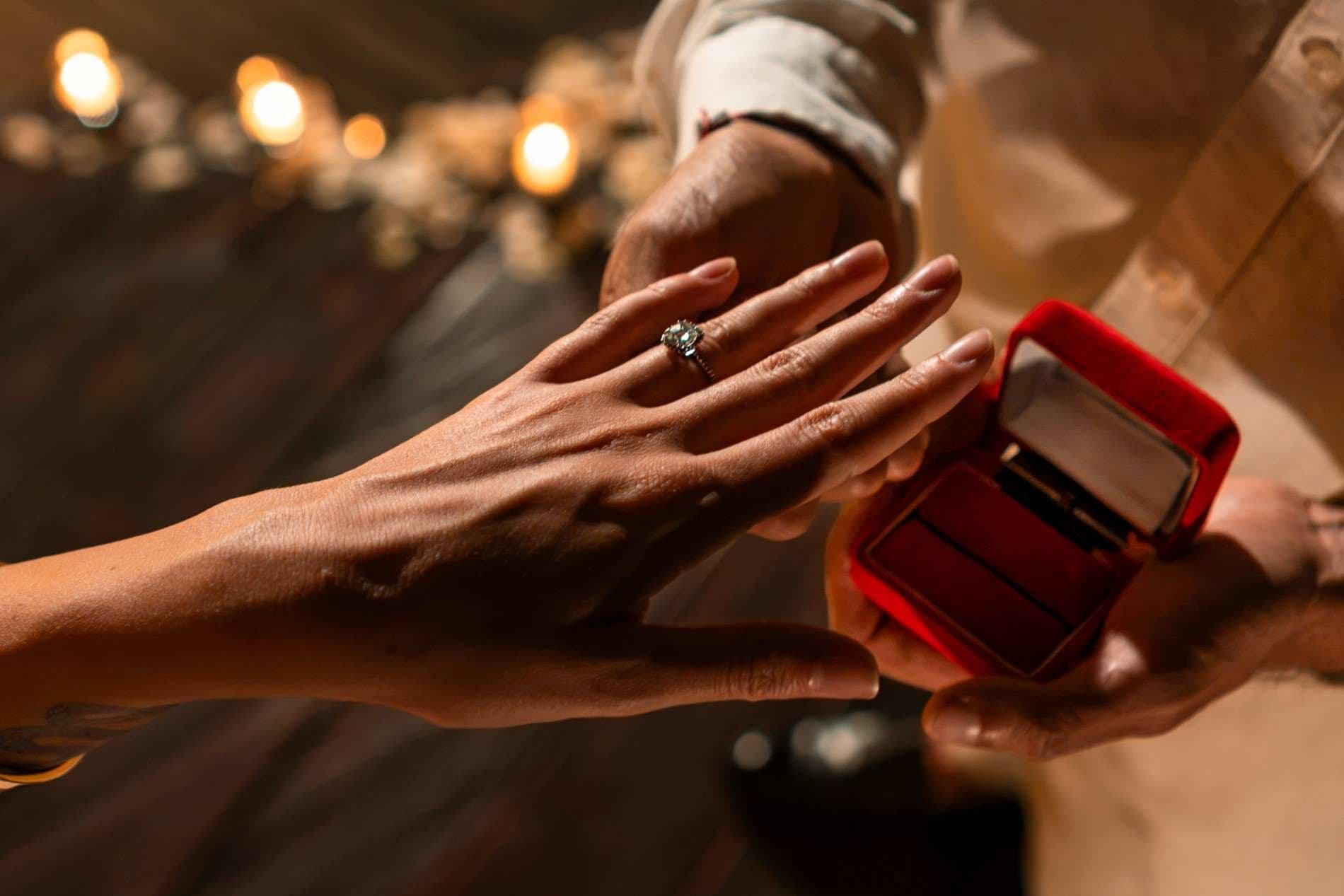
Traditionally, an engagement ring is presented during a marriage proposal and placed on the partner’s ring finger after they accept. Unlike a wedding ring, which is exchanged during the wedding ceremony, an engagement ring is worn from the proposal onward as a sign that the couple is engaged and planning to marry.
Engagement Ring vs Wedding Ring: What’s the Difference?
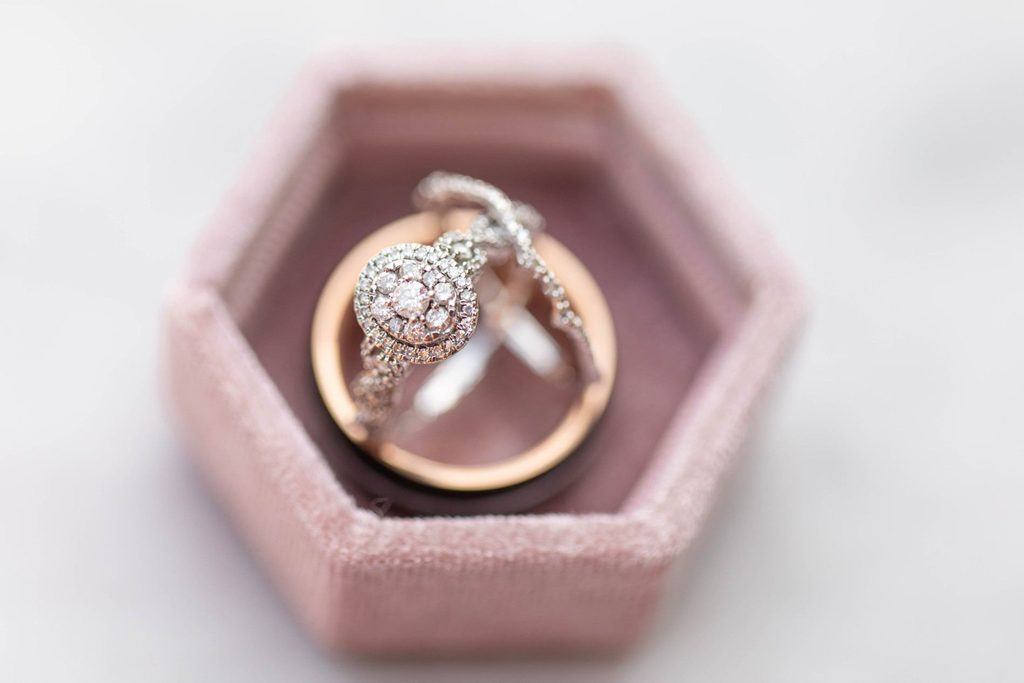
Giving an engagement ring during a proposal is a meaningful moment that marks the beginning of a couple’s journey toward marriage. However, although both rings represent love and commitment, many couples still wonder about the differences between an engagement ring vs wedding ring.
Timing
An engagement ring is usually given during a marriage proposal to express the intention to marry. In contrast, a wedding ring is exchanged by both partners during the wedding ceremony, whether religious or civil, when they officially get married.
Purpose
An engagement ring represents a promise to marry and a commitment to building a future together. Meanwhile, a wedding ring serves as a symbol of marriage, showing that the couple has officially become spouses.
Symbolism
An engagement ring symbolizes love, loyalty, and the promise of a future together. A wedding ring represents the couple’s union and their commitment to maintaining a lifelong relationship.
General Design Differences
Engagement rings usually have more detailed and eye-catching designs, often featuring a central diamond or gemstone. If you’re wondering what is an engagement ring setting, it refers to the metal structure that holds and secures the gemstone in place. Common settings include prong, bezel, and halo styles, each designed to protect or highlight the stone in different ways.
In contrast, wedding rings are generally simpler and more practical, often designed as plain metal bands or decorated with a row of small stones. Their simpler designs make them comfortable for everyday wear, and they can also be exchanged or upgraded during special occasions, such as a vow renewal ceremony.
Traditionally, both rings are worn on the ring finger of the left hand in many Western cultures. After the wedding ceremony, the wedding ring is usually worn first, closest to the heart, with the engagement ring placed above it.
However, some people prefer wearing their engagement ring on the right hand and keeping the wedding ring on the left. This depends on personal preference, comfort, and cultural traditions.
Discover The Hidden Ring Package at Riserva
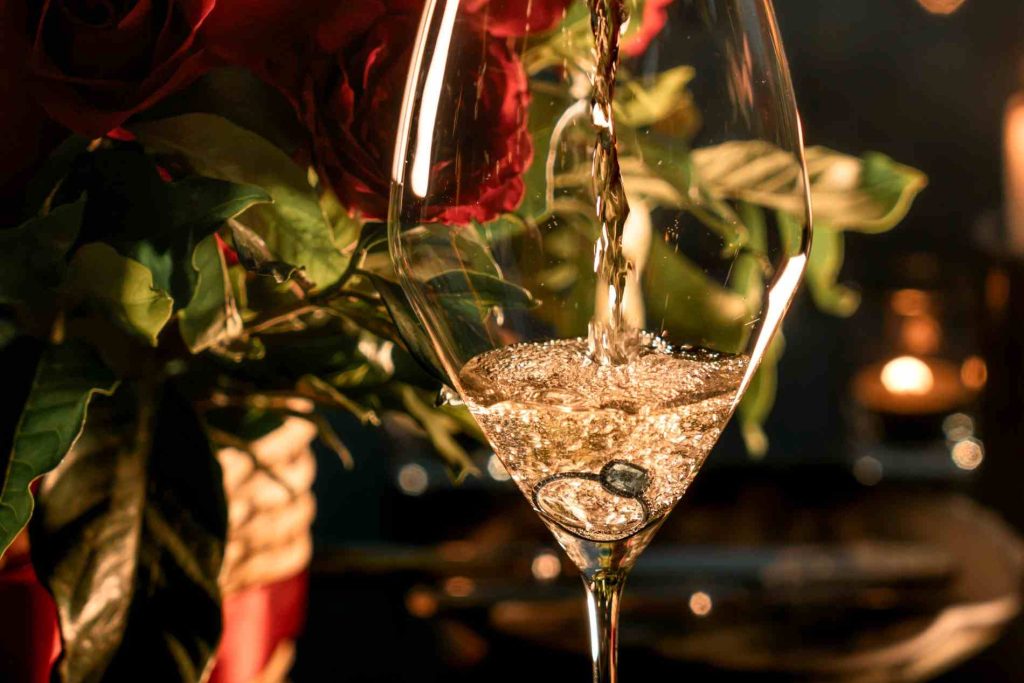
Once you understand what an engagement ring means, the next question is how to present it. For couples planning a romantic dinner with a special surprise, Riserva offers a proposal package called “The Hidden Ring”.
Located within Equipoise Resort Ubud, Riserva is a fire-and-smoke-themed steakhouse overlooking rice fields, with a limited capacity of 16 guests per evening. Its quiet atmosphere and intimate setting make it a suitable place for a private marriage proposal.
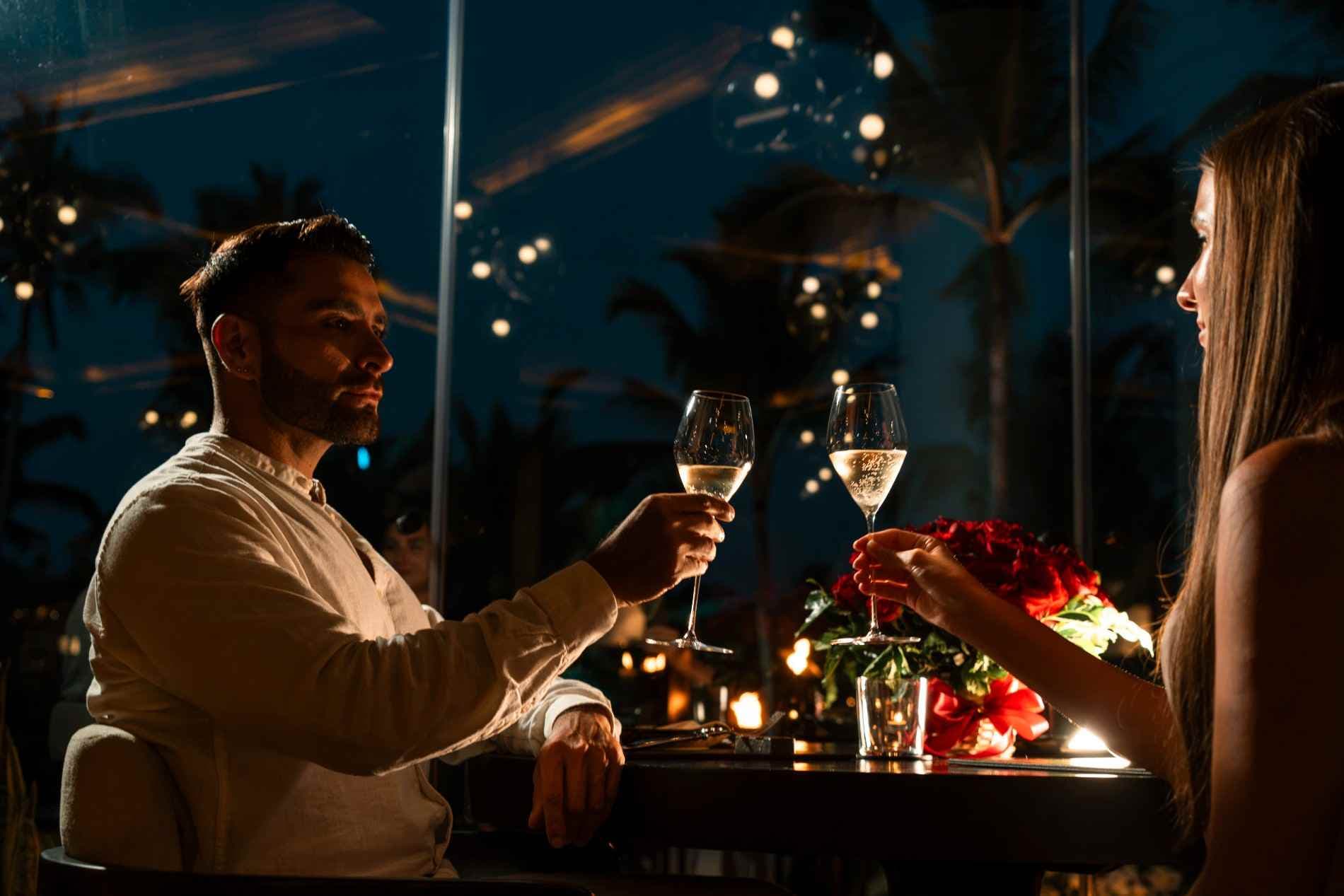
The concept is simple. During a romantic dining experience in Ubud, the couple raises their champagne glasses for a toast, with an engagement ring hidden inside one of the glasses. When the partner notices the ring, it becomes the perfect moment to ask, “Will you marry me?”
What makes “The Hidden Ring” special is the element of surprise. There is no need for elaborate decorations that might reveal the plan too early. Instead, a simple toast becomes an unexpected proposal and a memorable moment for the couple.
In addition to “The Hidden Ring,” Riserva offers six other proposal packages to suit different preferences:
- The Sweetest Secret: The engagement ring is hidden inside a dessert and revealed when the final course arrives.
- Written in the Rice Fields: The words “Will You Marry Me?” are illuminated across the rice fields and can be seen directly from the dining table.
- A Spark of Colour: A display of colorful lights begins as the proposal takes place, adding a special visual surprise.
- The Field of Dreams, A Place of Your Own: A private area beside the rice fields is decorated with flowers and candles for an intimate proposal.
- A Thousand Lights: The restaurant is decorated with 1,000 candles to create a warm and private atmosphere.
- An Evening of Roses: The entire restaurant is reserved exclusively for the couple and decorated with 5,000 roses and 5,000 candles, making it Riserva’s most luxurious proposal package.
If you are considering where to stay in Bali for couples, Equipoise Resort Ubud can also be an option for combining your accommodation with a proposal dinner at Riserva.
To arrange your proposal, make a reservation through the official Equipoise Resort Ubud website and mention your preferred package so the team can prepare everything before your arrival. Riserva is open Tuesday through Sunday, from 5:00 PM to 10:00 PM.
How to Choose an Engagement Ring
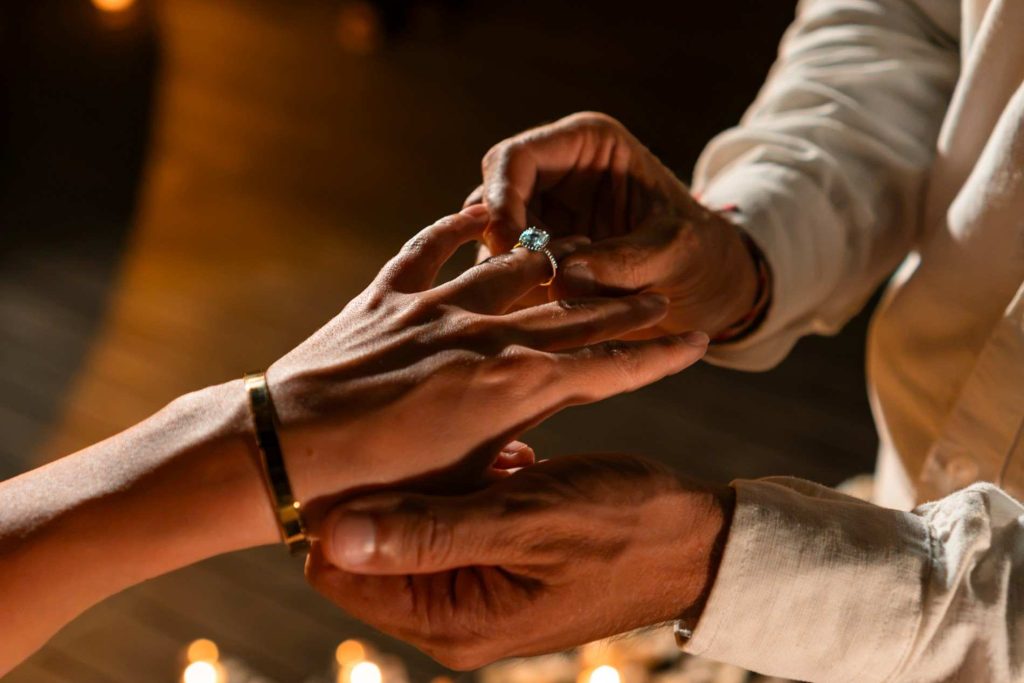
An engagement ring is an important part of a marriage proposal, so choosing the right one requires some consideration. If you’re wondering how to choose an engagement ring, these practical tips can help you find one that matches your partner’s style and your budget.
1. Set Your Budget
There is no fixed rule for how much you should spend on an engagement ring. The popular “three months’ salary” guideline originally came from advertising campaigns and is not a requirement. Instead, set a realistic budget based on your financial situation and look for a ring within that price range.
2. Understand the 4Cs of Diamonds
When choosing a diamond engagement ring, it’s important to understand the 4Cs, which are used to evaluate diamond quality:
- Cut: Determines how well a diamond reflects light and affects its sparkle. A well-cut diamond can appear brilliant even at a smaller size.
- Color: Measures how colorless a diamond is. Generally, diamonds with less visible color receive higher grades.
- Clarity: Refers to natural internal features, known as inclusions, and external imperfections.
- Carat: Measures the diamond’s weight, not its actual size. Diamonds with the same carat weight may look different depending on their cut and shape.
For added confidence, ask for a diamond grading report from an independent organization, such as GIA or IGI.
3. Consider Alternatives to Natural Diamonds
Natural diamonds are not the only option for an engagement ring. Lab-grown diamonds have the same chemical composition as natural diamonds but are generally more affordable.
Other gemstones, such as moissanite and sapphire, are also worth considering. Both are durable options that offer different appearances and can suit couples looking for something more personal.
4. Choose the Right Metal
The metal you choose affects the ring’s appearance, durability, and maintenance. Some common options include:
- Platinum: A durable metal that is generally suitable for sensitive skin.
- White Gold: Offers a similar appearance to platinum, often at a lower price, but may need occasional replating.
- Yellow Gold and Rose Gold: Provide warmer tones and a classic appearance.
5. Match the Design to Your Partner’s Lifestyle
Consider your partner’s personal style and daily activities when choosing a ring design. A solitaire ring features one central gemstone for a simple, classic appearance, while a halo setting surrounds the main stone with smaller gemstones for a more detailed look.
If your partner frequently works with their hands, consider a low-profile setting that holds the stone securely and is less likely to catch on clothing or other objects.
6. Find Out Their Ring Size
Getting the correct ring size is important for comfort. You can discreetly borrow a ring your partner wears on the intended finger and have it measured at a jewelry store.
You can also ask a close friend or family member for help. If you’re unsure about the size, consult a jeweler about resizing options before purchasing, as not every ring design can be easily adjusted.
7. Prepare the Ring for a Hidden Ring Proposal
If you’re planning a surprise proposal with the engagement ring hidden inside a champagne glass, a few extra precautions are necessary.
Make sure the gemstone is securely attached and coordinate with the restaurant staff to prevent your partner from accidentally drinking from the glass before noticing the ring. Keep a soft, clean cloth ready to dry the ring before placing it on your partner’s finger.
Make Your Engagement Moment Extra Special
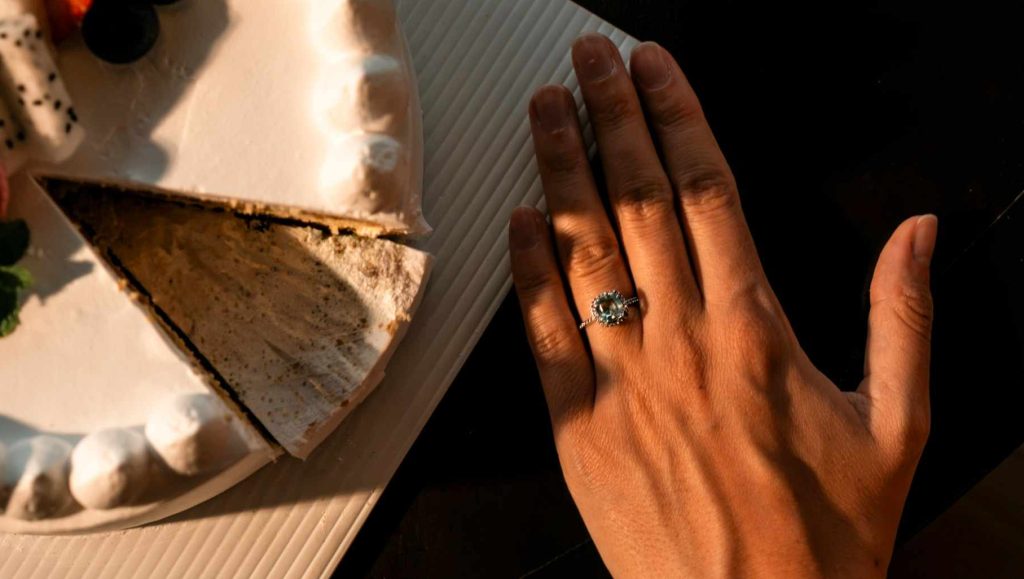
An engagement ring is more than just a piece of jewelry. It represents love, commitment, and the promise of building a future together. Beyond choosing the right ring, the way you present it can make the proposal even more meaningful. Whether you prefer a simple surprise or a romantic setting, what matters most is creating a moment that feels personal to you and your partner.
If you’re planning a memorable proposal, Riserva Ubud offers The Hidden Ring Package, combining an intimate dining experience with a surprise. Make your engagement moment one to remember by choosing a setting that reflects your relationship. Contact the Riserva team to plan your proposal, discuss your preferred arrangements, and plan a special evening for you and your partner.