Sleep tourism is a travel trend designed to help people sleep better and enjoy deeper, more restorative rest during their vacation. Unlike a typical holiday packed with activities, sleep tourism focuses on creating a calm environment, comfortable sleep facilities, relaxing wellness experiences, and in some cases, guidance from sleep or medical experts.
This trend is becoming increasingly popular as more people struggle with poor sleep and are willing to invest in better rest and overall well-being. In this article, we’ll explore what sleep tourism is, why it is gaining popularity, and how the concept is being brought to life at wellness-focused resorts such as Equipoise.
What Is Sleep Tourism?

According to National Geographic, sleep tourism is a type of travel that puts better sleep and quality rest at the center of the vacation experience. In simple terms, the sleep tourism meaning refers to holidays designed to help travelers improve their sleep patterns, reduce sleep problems, and recover from ongoing tiredness.
These trips often take place in specially designed accommodations with quiet surroundings, sleep-friendly rooms, advanced wellness or medical technology, and sometimes guidance from sleep specialists. The goal is to help travelers feel more rested, refreshed, and recharged during their stay.
Why Is Sleep Tourism Growing in 2026?
The sleep tourism trend 2026 is growing as more people deal with stress, anxiety, and ongoing sleep problems. At the same time, travelers are becoming more willing to spend on wellness travel experiences that help them rest, recover, and feel better.
According to National Geographic, the rise of sleep tourism is closely connected to what it describes as a growing “sleep epidemic.” National Geographic reports that around 74% of adults experience poor sleep quality, including restless or interrupted sleep. It also notes that about 5% to 7% of adults visit general practitioners for advice related to chronic fatigue.
With sleep problems becoming more common, getting a full eight hours of quality rest is starting to feel like a new kind of luxury. This is one reason why more travelers are interested in a sleep retreat, where the main goal is to slow down, sleep better, and return home feeling refreshed.
The market is also growing quickly. A report by HTF Market Intelligence, cited by National Geographic, values the global sleep tourism sector at more than $690 billion and expects it to continue expanding as awareness of sleep and wellness increases.
These numbers show that good sleep is no longer seen as just an extra hotel benefit. For many travelers, quality rest has become an important part of the travel experience and a new form of modern luxury.
What Does a Sleep Tourism Experience Include?
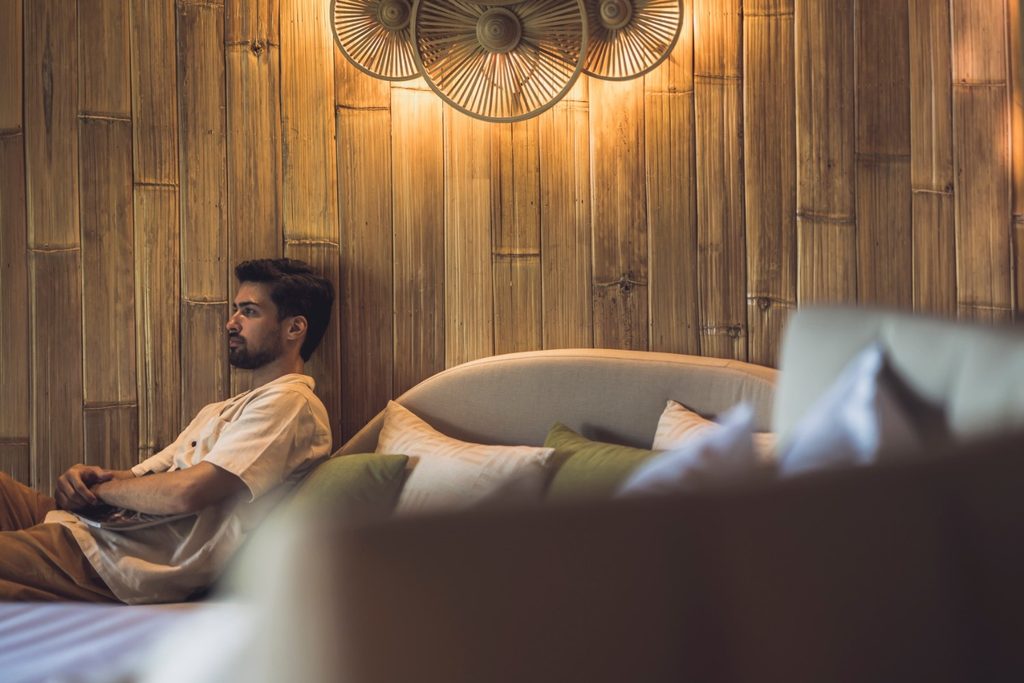
A modern sleep tourism experience usually combines three main elements to help travelers improve their sleep and feel more rested.
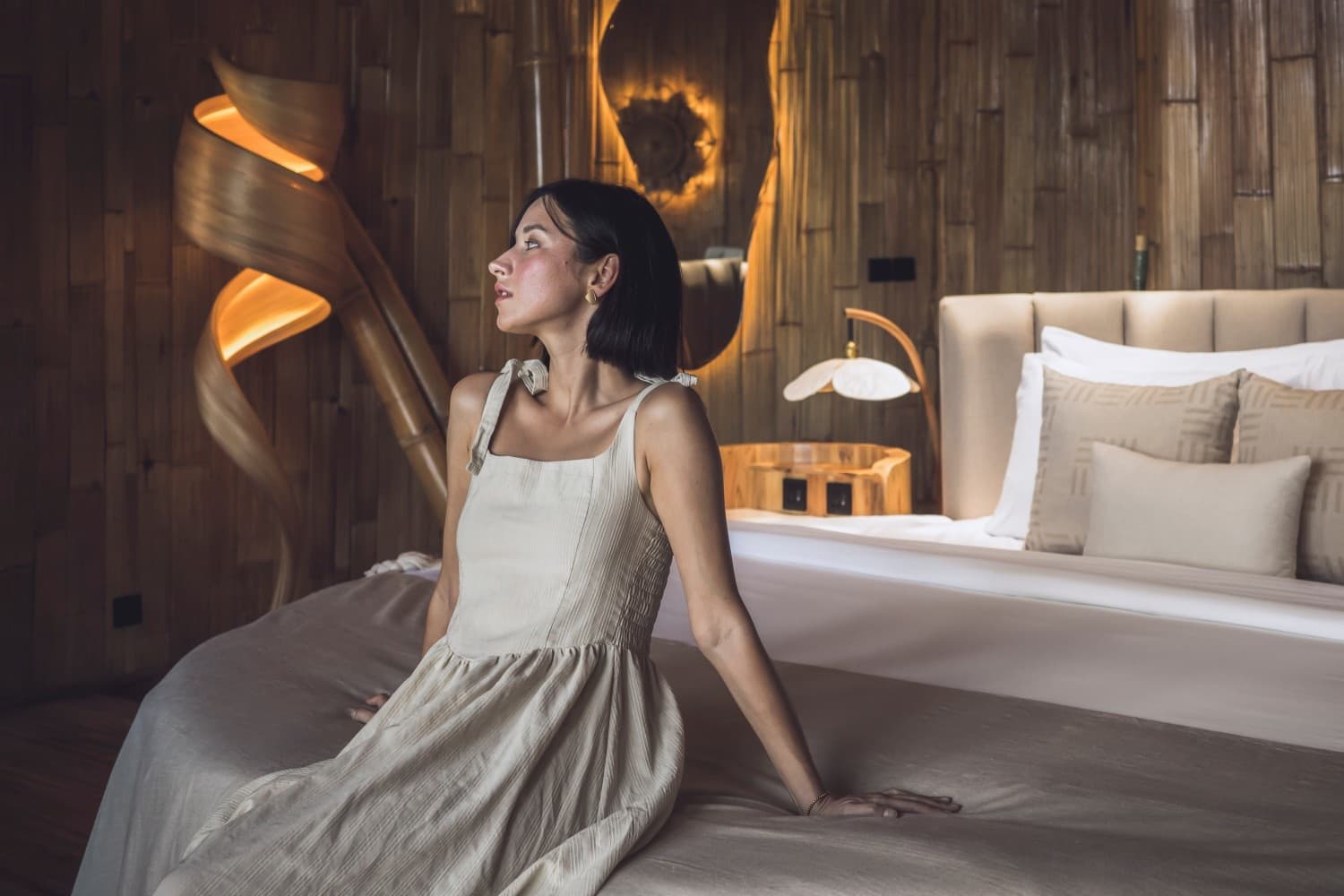
- Specialized Room Environment: Rooms are designed to reduce distractions such as light, noise, and uncomfortable temperatures, creating a calmer space for better sleep.
- Expert Guidance or Sleep Coaching: Some programs include support from sleep specialists or therapists who help guests understand their sleep habits and learn ways to improve their sleeping patterns.
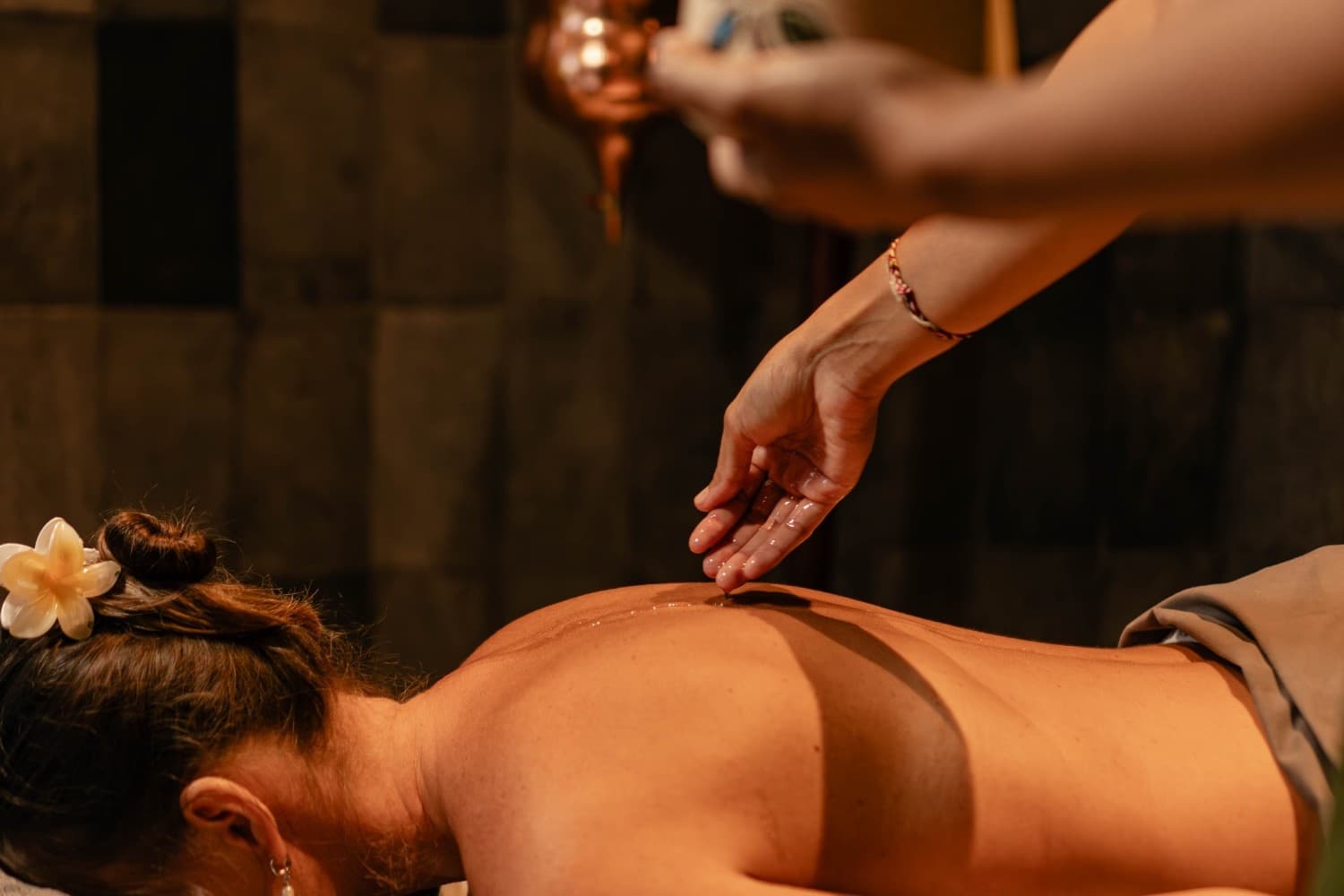
- Recovery Treatments: Relaxing treatments for the body and mind, such as massages, meditation, or other wellness therapies, may also be included to help reduce stress before bedtime.
Sleep-Optimized Rooms
Rooms designed for a sleep-focused hotel stay are created to support the body’s natural circadian rhythm by carefully controlling light, temperature, and sound. These features can be especially helpful during travel, when changes in routine and environment may affect sleep quality.
- Blackout Lighting & Design
Blackout curtains help block outside light, while smart circadian lighting adjusts its brightness and color throughout the day. At night, warmer and dimmer lighting helps the body prepare for sleep and supports natural melatonin production. In the morning, brighter light helps guests wake up more naturally.
- Automatic Temperature Control
Smart temperature controls keep the room within a comfortable sleeping range, usually around 18–20°C. A slightly cooler environment can help lower the body’s core temperature, which naturally signals that it is time to rest and prepare for deeper sleep.
- Sound System & Soundproofing
Soundproof walls and windows help reduce noise coming from outside the room. Some sleep-focused rooms also provide white, pink, or brown noise, which creates a steady background sound that can mask sudden disturbances and make the environment feel calmer.
Guided Sleep Rituals
- Pre-Sleep Rituals
Pre-sleep rituals are simple activities designed to help the body and mind gradually shift into a more relaxed state before bedtime. These may include guided breathing exercises, evening meditation, calming instrumental music, and gentle stretching to release tension after a busy day.
- Soothing Aromatherapy
Aromatherapy is often used to make the room feel more peaceful and comfortable. Natural scents such as lavender, sandalwood, or chamomile may be provided through a diffuser or linen spray, helping create a relaxing atmosphere as guests prepare for sleep.
- Lifestyle Coaching
Some sleep tourism programs also offer lifestyle coaching to help guests build healthier sleeping habits. These sessions may include practical advice on creating a consistent nighttime routine, managing daily stress, and setting healthier boundaries around phones and other electronic devices before bed.
Together, these elements make a sleep-focused hotel stay more than just a comfortable night away. They help travelers maintain a healthier circadian rhythm and enjoy better-quality rest throughout their travel experience.
How Equipoise Resort Approaches Sleep Tourism
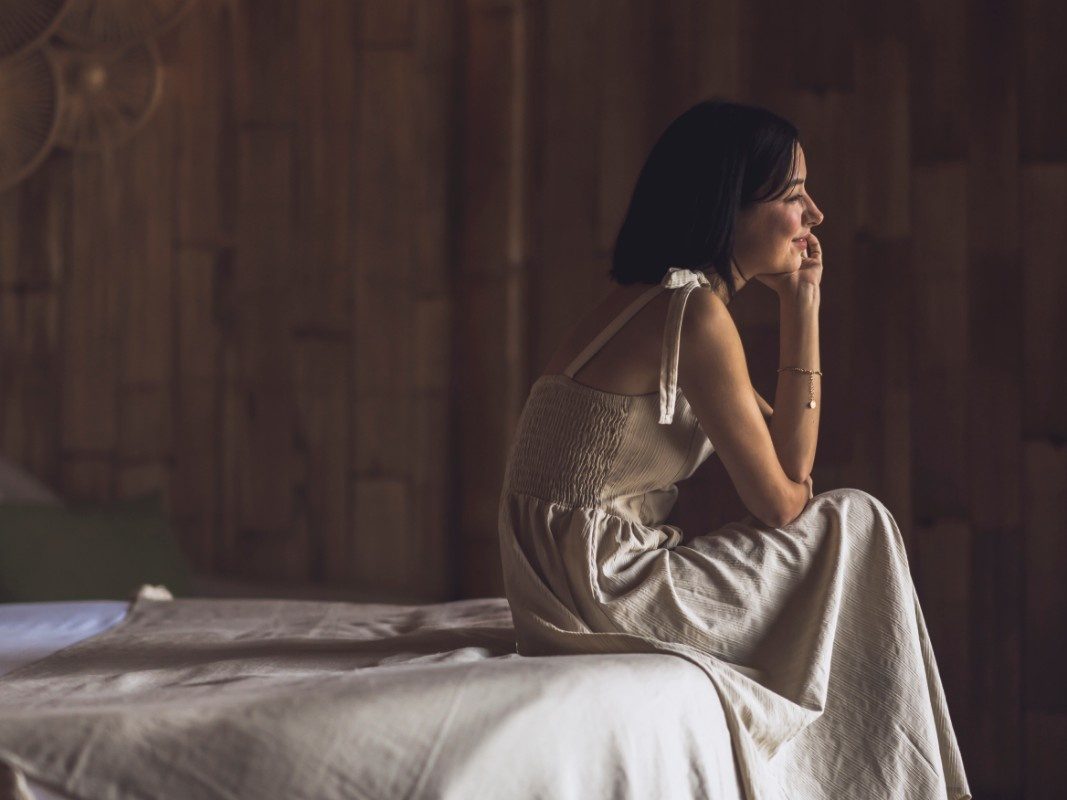
Equipoise Resort brings the idea of rest and recovery travel into the guest experience through personalized services designed to support better sleep. For a more restorative stay, travelers can choose, and the resort focuses on creating a calm evening routine based on each guest’s individual preferences.
At the center of this experience is the sleep concierge, a dedicated service that helps prepare the room and bedtime routine to make rest feel more comfortable and personal.
As one of the resort’s signature experiences, the Sleep Concierge Ritual includes two main elements:
- Pillow Density Selection (Pillow Menu)
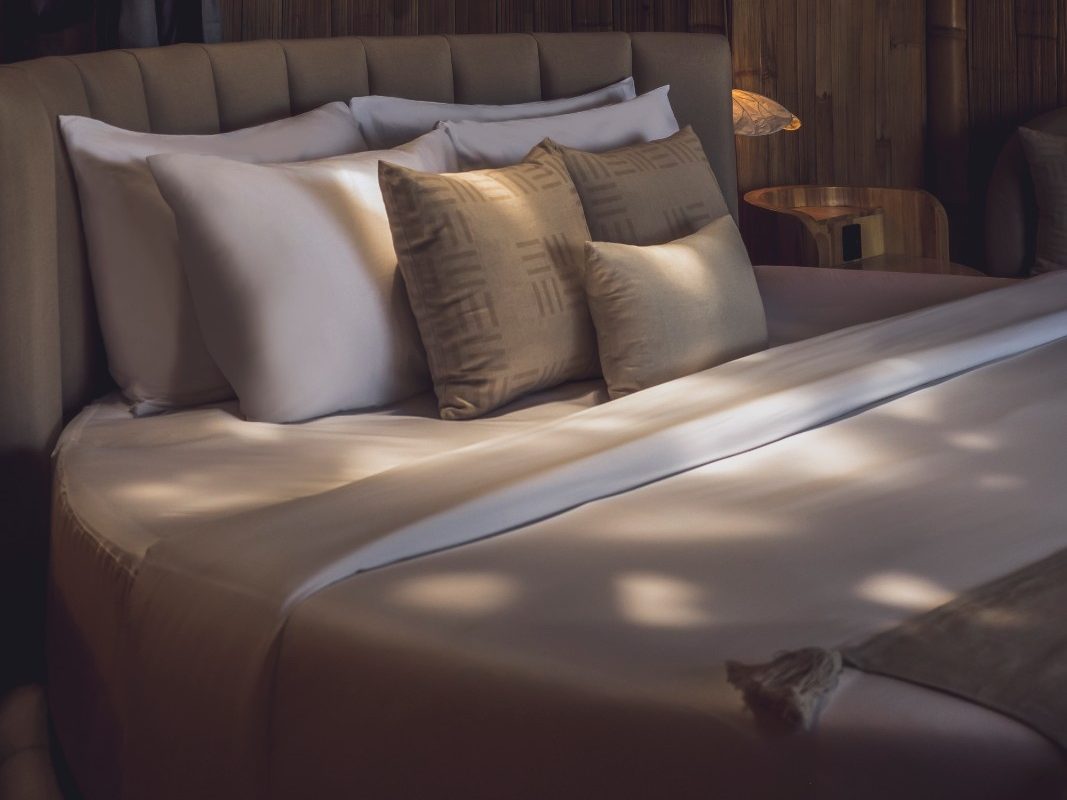
Guests can choose a pillow based on their preferred sleeping position and level of firmness. As a wellness resort in Ubud, Equipoise offers seven pillow options, including firm and soft hypoallergenic microfiber, synthetic pillows, memory foam, and latex pillows that provide additional support for the neck and head.
This allows guests to create a sleeping setup that feels more comfortable and suited to their usual rest habits.
- Curated Calming Scents (Aromatherapy Blend Selection)
Before bedtime, the sleep concierge also prepares an aromatherapy blend based on the guest’s preferred mood and atmosphere. Signature scents include options such as “Whispers,” with calming white floral notes, “Breathe,” inspired by natural freshness, and “Bloom.”
The selected scent is prepared in the room before sleep, creating a more peaceful atmosphere and helping guests naturally ease into a relaxed state at the end of the day.
Experience Sleep-Focused Wellness at Equipoise
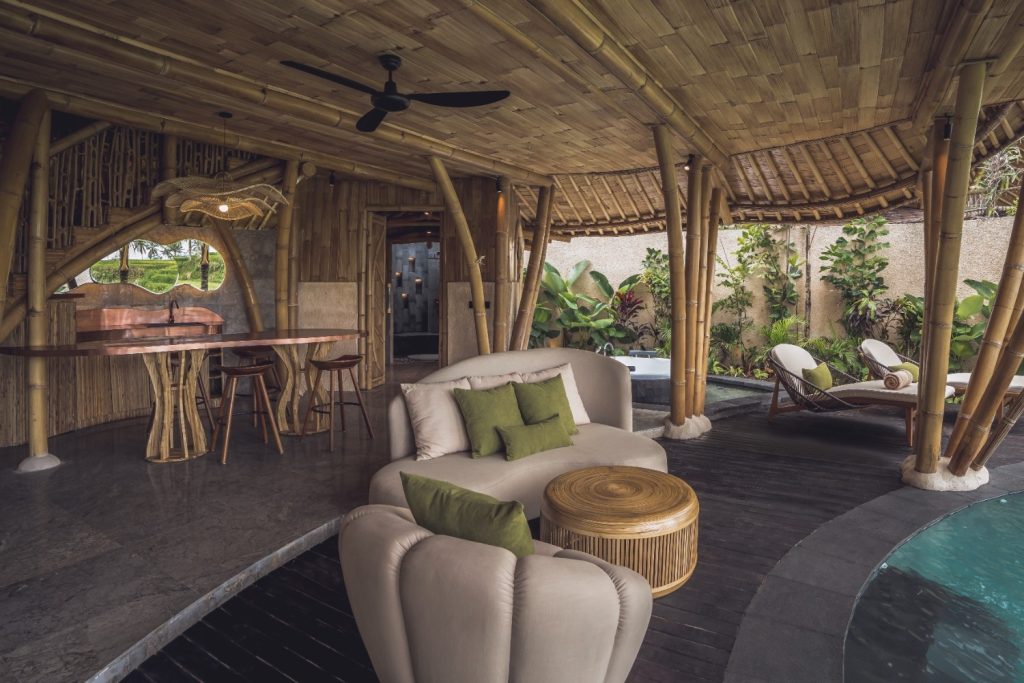
Sleep tourism is changing the way people think about wellness travel by making quality rest a main part of the journey rather than something that simply happens at the end of the day. As this trend grows, wellness resorts are creating more thoughtful experiences designed around deeper rest, relaxation, and recovery.
At Equipoise Resort, the Sleep Concierge Ritual brings this idea to life through personalized pillows, calming aromatherapy, and a more intentional bedtime experience. Explore the resort’s wellness experiences and discover a more restorative way to stay at Equipoise Resort’s Sleep Concierge Ritual.
FAQs
- What is sleep tourism?
Sleep tourism is a travel trend that makes better sleep and quality rest a main part of the vacation experience. These stays usually combine sleep-friendly rooms, relaxing amenities, and calming evening rituals to help guests sleep more comfortably and wake up feeling refreshed.
- Why has sleep tourism become popular in 2026?
Sleep tourism has become more popular as many people deal with daily stress, busy routines, and poor sleep. In 2026, more travelers are also choosing to spend their holidays on wellness travel experiences that support mental well-being, physical recovery, and better rest instead of filling every day with activities.
- What does a typical sleep retreat include?
A typical sleep retreat usually includes three main elements:
- Sleep-Optimized Rooms: Features such as blackout curtains, temperature control, and soundproofing help create a more comfortable environment for sleep.
- Guided Evening Rituals: Pillow menus, calming aromatherapy, breathing exercises, and other relaxing activities help guests prepare for bedtime.
- Guidance & Recovery Activities: Some retreats provide a sleep concierge, wellness coaching, or other support to help guests develop healthier sleeping habits.
- Is sleep tourism only for people with sleep problems?
No. Sleep tourism is not only for people dealing with insomnia, chronic fatigue, or other sleep difficulties. It can also suit travelers who simply want to slow down, take a break from screens and busy routines, recharge their mind and body, or learn healthier sleep habits they can continue at home.