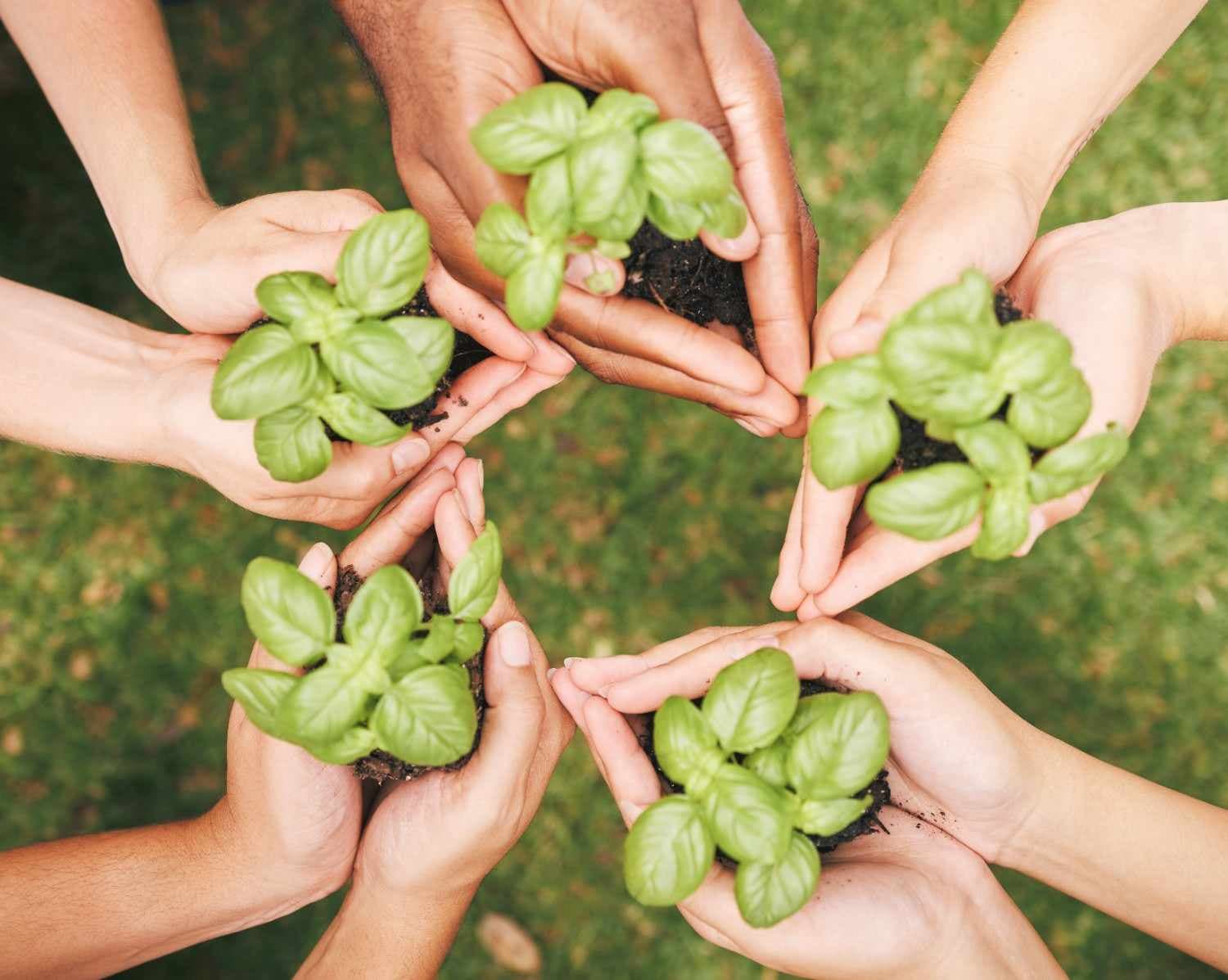
A sustainable living lifestyle is not about being perfect. It’s about making simple, mindful choices every day that can have a positive impact over time. From the food you eat and the products you buy to the places you stay when traveling, small actions can add up to meaningful change for the planet.
The good news is that sustainable living doesn’t have to be difficult or overwhelming. By making a few practical changes to our daily habits, anyone can help create a healthier environment while still enjoying a comfortable lifestyle. In this article, you’ll explore what sustainable living means and easy ways to bring it into your everyday routine.
What Does Sustainable Living Actually Mean?
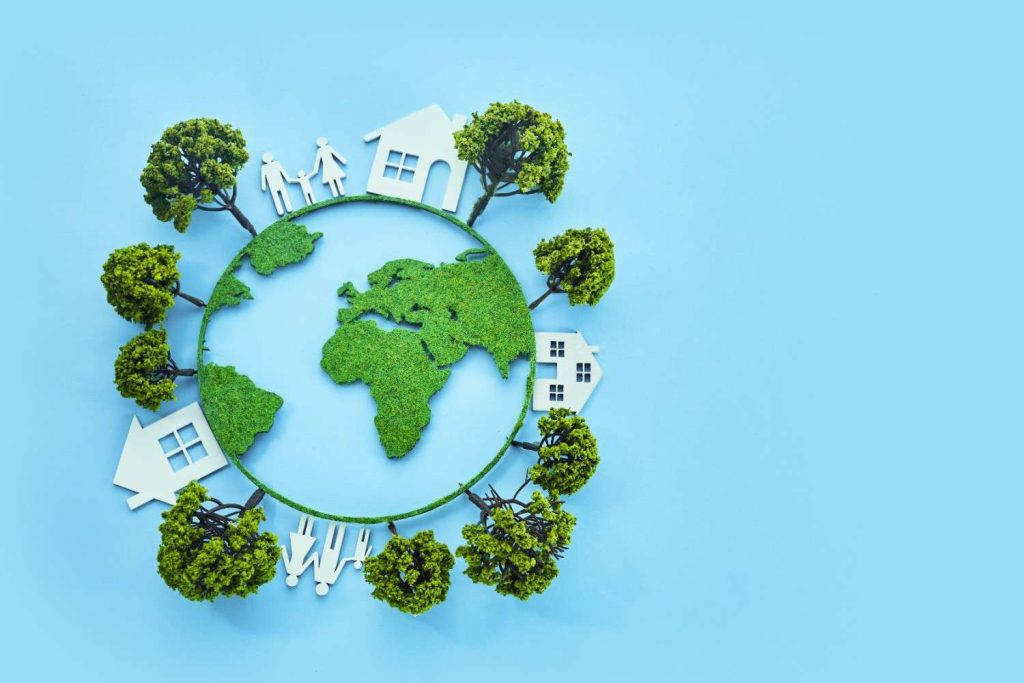
An eco-friendly lifestyle is all about reducing the negative impact our daily activities have on the planet while supporting a more sustainable future. It is built on three key pillars: protecting the environment, supporting the well-being of communities, and encouraging fair and responsible economic practices.
Living sustainably doesn’t mean changing everything at once. Instead, it’s about making better sustainable choices in daily life, from reducing waste and using resources wisely to supporting responsible brands and businesses. Small actions, when done consistently, can create a meaningful impact over time.
By 2026, an eco-friendly lifestyle will no longer be just a growing trend. As climate challenges become more visible around the world, more people, especially younger generations, are paying closer attention to how they consume, travel, and shop. This shift is driving greater demand for transparency and encouraging more sustainable choices in daily life to help build a better future for everyone.
1. Energy & Water Conservation
Small actions at home can significantly contribute to a more sustainable lifestyle:
- Electricity Efficiency: Replace traditional bulbs with LEDs and wash clothes in cold water. This is an effective way to reduce your carbon footprint.
- Long-Term Investment: Installing solar panels, when feasible, supports low-impact living and decreases reliance on non-renewable energy.
- Water Wise: Repair leaky faucets promptly and use water-saving showerheads to conserve water.
2. Reducing Plastic & Waste
Mindful consumption and proper waste management help create lasting change:
- Reuse Principle: Avoid single-use plastics by bringing reusable tumblers, shopping bags, and eco-friendly straws, promoting conscious consumption.
- Manage Kitchen Waste: Compost organic food scraps to produce natural fertilizer, fostering a zero-waste lifestyle.
- Segregate Hazardous Waste: Dispose of electronics, batteries, and expired medications at appropriate hazardous waste stations to prevent environmental contamination.
These practices are practical, sustainable home tips that can be implemented daily to support a greener living environment.
3. Sustainable Food Choices
The foods you eat daily have a direct impact on the environment:
- Reduce Red Meat: Limit your meat intake, especially beef. Producing even a single burger can use around 1,740 liters of water, making it an intensive resource choice. This is an important step in practicing sustainable food choices.
- Choose Local & Seasonal Produce: Purchase fruits and vegetables that are grown locally and in season. This reduces transportation distances, lowering carbon emissions from food transport.
- Fight Food Waste: Plan meals and shopping carefully so food doesn’t spoil. Use leftovers creatively instead of discarding them.
4. Conscious Consumption & Slow Fashion
Adopting mindful habits in how you buy and care for products supports sustainable living:
- Practice Mindful Buying: Only purchase what you truly need. Pause and ask, “Do I really need this, or is it just a visual appeal?”
- Support Slow Fashion: Avoid cheap, fast-fashion items. Take care of clothing to make it last, explore secondhand options, and choose brands with ethical production and fair labor practices.
- Minimize Packaging Waste: Select products with minimal packaging or biodegradable containers, reducing unnecessary waste.
These steps are practical slow fashion tips and sustainable habits that can be integrated into everyday life for a more mindful lifestyle.
5. Sustainable Living Through Travel
Travel can be enjoyable without compromising the environment. Practicing sustainable travel habits starts with mindful choices in transport, accommodation, and local engagement.
- Choose Low-Emission Transportation: When possible, prefer trains or buses for short trips instead of flights. They produce far fewer carbon emissions per passenger.
- Implement Slow Travel: Spend more time in each destination rather than rushing between locations. This reduces transport emissions and allows for a deeper cultural experience.
- Always Bring Reusable Utensils: Keep eco-friendly habits while on vacation. Carry a tumbler, cloth bag, and straw to reduce plastic waste at tourist spots.
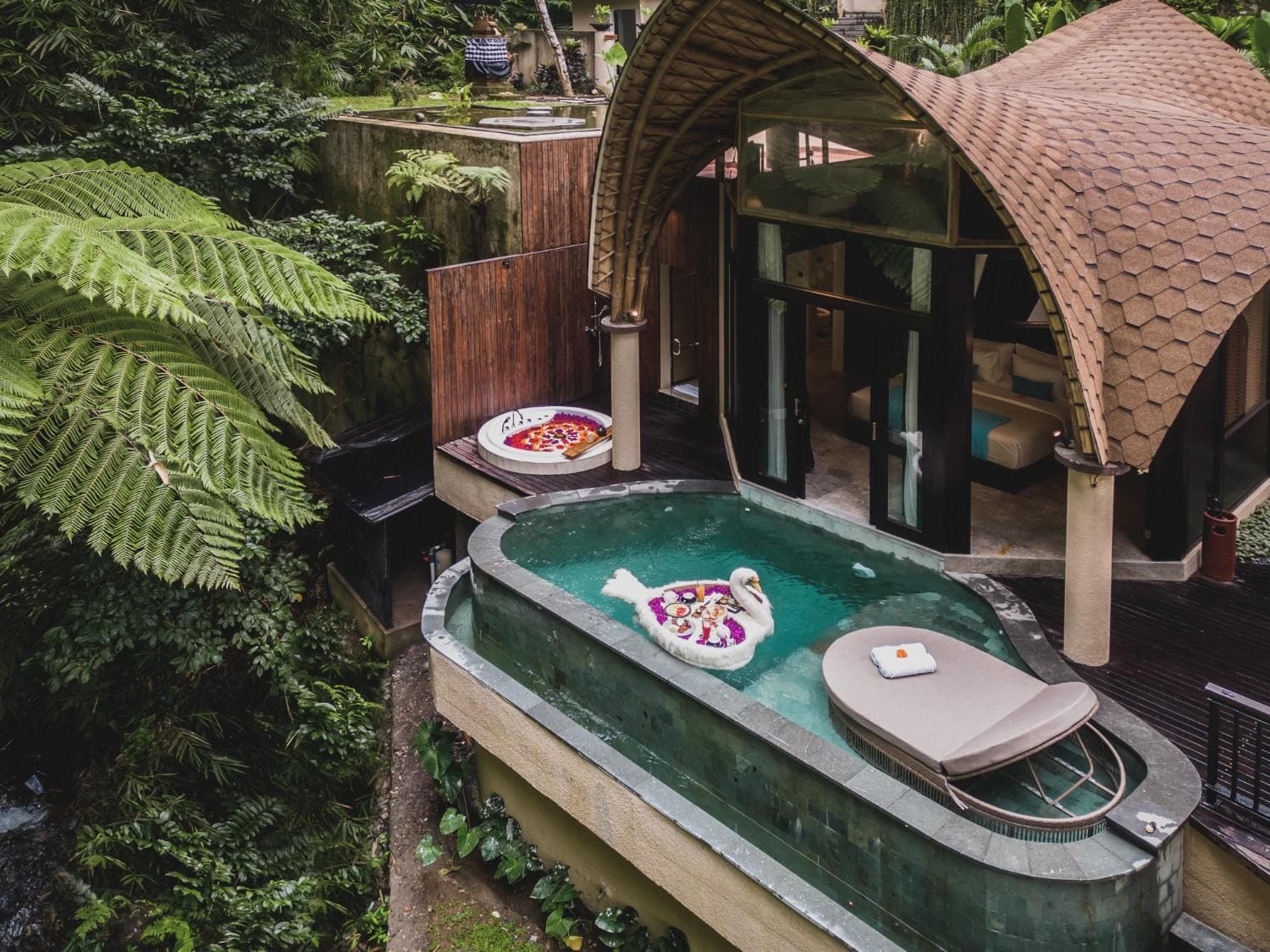
- Choose the Right Accommodation: Select villas and resorts in Bali that genuinely practice sustainability. Look for properties using bamboo as a sustainable material, renewable energy, zero-waste policies, and actively supporting local communities to avoid greenwashing.
- Support the Local Economy: Direct your spending to local artisans, traditional food stalls, and local guides. This ensures your visit benefits the community while promoting green hospitality in Bali.
Opting for properties that follow an eco resort with sustainable practices ensures your stay is truly responsible. These steps make your travels not only more responsible but also more meaningful and connected to the destinations you visit.
Simple Steps to Live More Sustainably Today
Starting a sustainable lifestyle doesn’t have to be complicated. Here are some easy actions you can take right now:
- Replace all your light bulbs with LEDs.
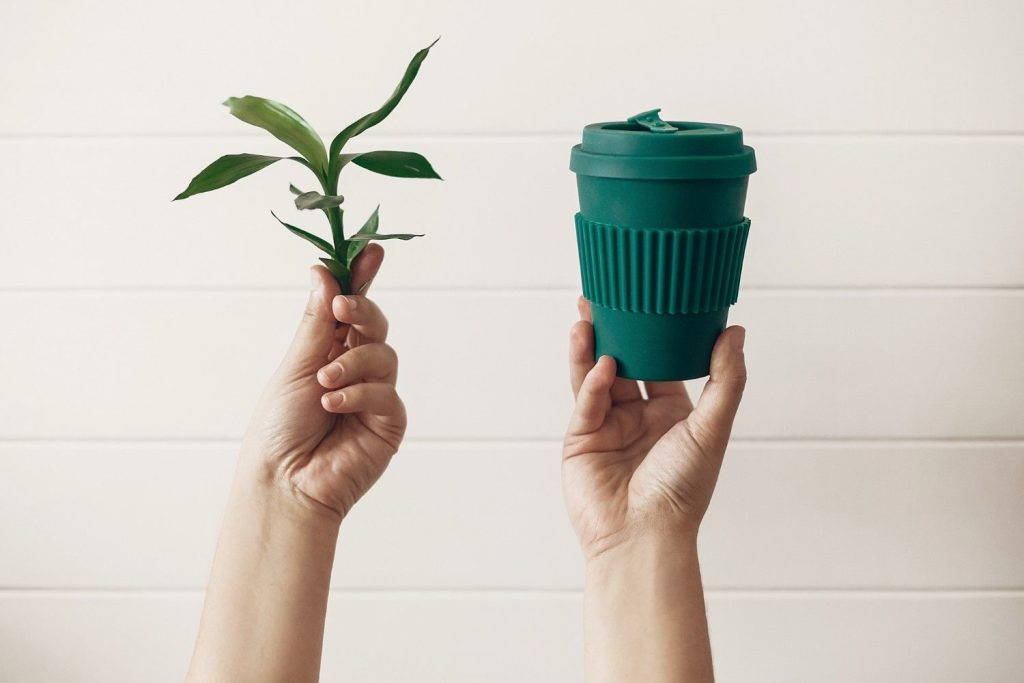
- Carry a reusable tumbler wherever you go.
- Visit a local market at least once a week.
- Reduce meat consumption by one portion each week.
- Check how much plastic you use at home and cut back.
- Choose an eco-friendly resort for your next vacation.
- Support local brands and products whenever possible.
Conclusion

Sustainable living is a journey, not something you have to perfect all at once. Everyone starts from a different place, and what counts is the intention to change and the small, consistent steps that add up to a big impact.
By choosing an eco-resort with bamboo and local materials, carrying a reusable tumbler to the market, or cutting down on impulse buys, you’re already making a difference. Start today by picking one habit and stick with it for 30 days to see real changes for yourself and the environment.